

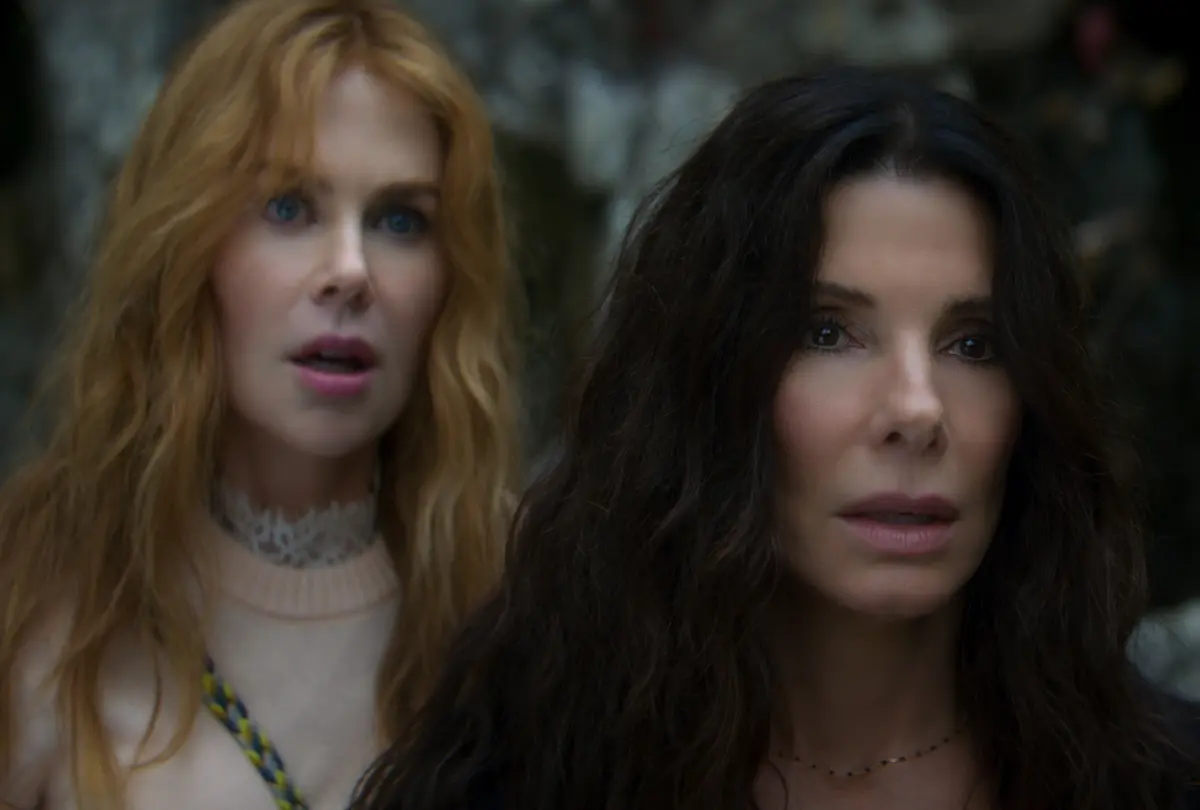
Executive Overview
In the sprawling landscape of modern Hollywood franchising, few phenomena are as aggressively manufactured as the "legacy sequel." When Warner Bros. Pictures greenlit Practical Magic 2 with a staggering $75 million budget, studio executives were not betting on the enduring narrative weight of Alice Hoffman’s source material. Rather, they were banking on a digital hallucination—a multi-year, algorithmic fever dream constructed from TikTok fancams, Pinterest mood boards, and Tumblr image macros.
The original 1998 adaptation of Practical Magic, starring Sandra Bullock and Nicole Kidman as the cursed Owens sisters, was a notoriously rocky venture. Upon its theatrical release, it was met with tepid commercial returns and critical dismissal, often cast aside into the dreaded, misogynistic cinematic category of the "chick flick." Yet, over nearly three decades, the film underwent a strange alchemy. Through the rose-colored lens of social media, its cozy Massachusetts estate, midnight margarita traditions, and autumn-drenched aesthetic were flattened into the ultimate internet seasonal brand.
Now, with Susanne Bier directing a continuation based on Hoffman’s 2021 novel The Book of Magic, that digital worship has manifested as a physical blockbuster. Unfortunately, Practical Magic 2 serves as a cautionary tale for an era driven by clip-farming and aesthetic consumption. Stripped of the original’s atmospheric charm and reliant on an inert, repetitive narrative loop, the sequel proves that a solid cinematic legacy cannot be built upon a foundation of algorithms and seasonal wistfulness.
Detailed Chronology: From 1998 Flop to 2026 Cash Cow
To understand how Practical Magic 2 came to exist, one must chart the strange trajectory of its predecessor and the digital ecosystem that resurrected it.
1998–1999: The Dead-on-Arrival Debut
When director Griffin Dunne’s Practical Magic hit theaters in the fall of 1998, it failed to capture the cultural zeitgeist. Featuring Sandra Bullock as the pragmatic Sally Owens and Nicole Kidman as her free-spirited sister Gillian, the film struggled to find a consistent tone, wavering uncertainly between domestic melodrama, dark comedy, and romantic fantasy. Critics were largely unimpressed, and box office returns were modest. For all intents and purposes, the film was destined to drift into the archives of forgotten late-90s cinema.
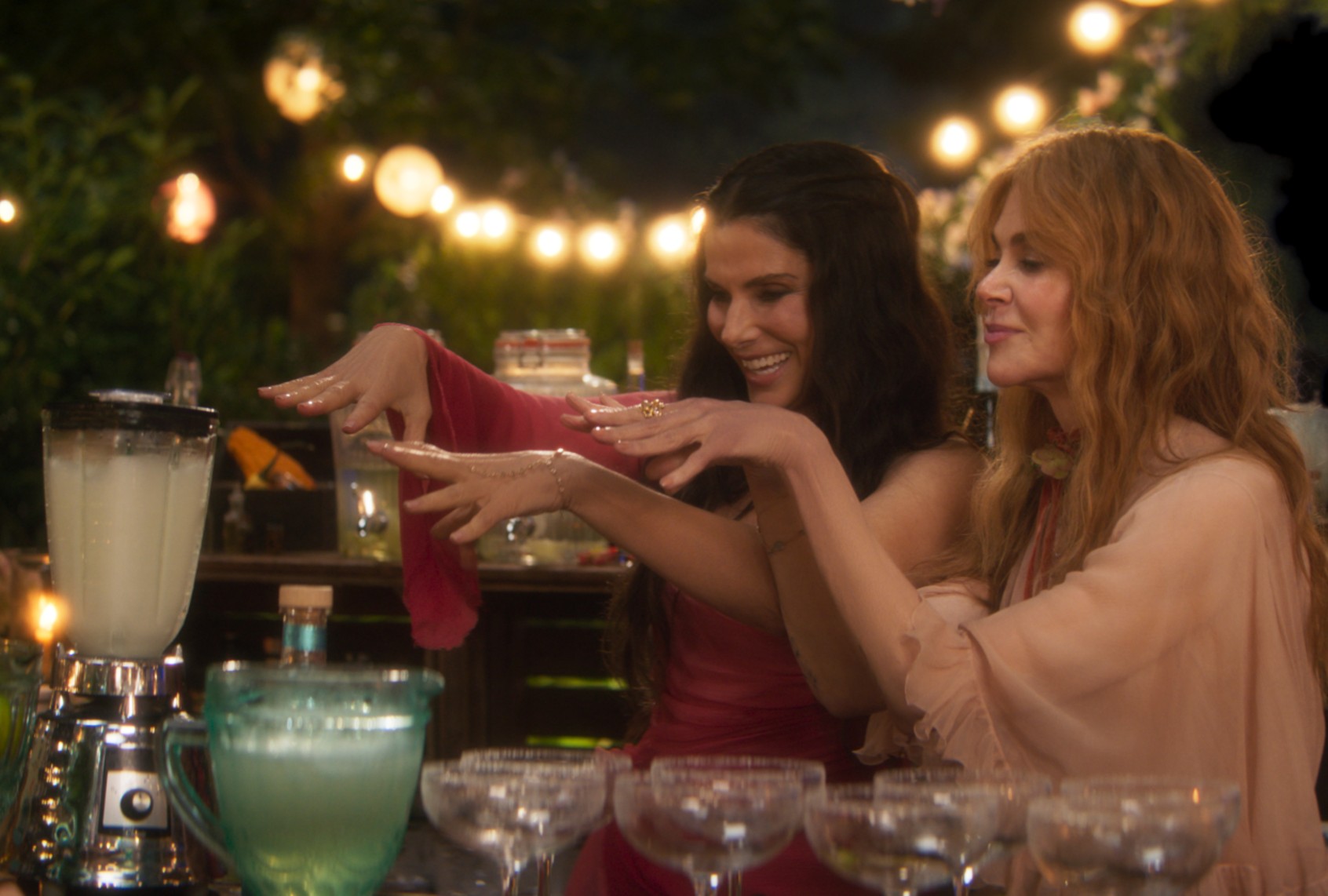
The 2010s: The Rise of the Internet Aesthetic
As streaming platforms proliferated and social media platforms like Pinterest, Tumblr, and later TikTok matured, Practical Magic found a second life. The film’s actual narrative contents—its messy plotting, uneven pacing, and tragic beats—were systematically stripped away, leaving behind pure, unadulterated aesthetic data. Nicole Kidman’s auburn hair, her tiny sunglasses, and the glowing, pumpkin-lit hearths of the Owens estate transformed into digital currency. Every October, the film was ritualistically exhumed by online communities, cementing it as the foundational text of "Fall Culture."
2021–2025: The Corporate Capitalization
Sensing the rising tide of nostalgic demand, Warner Bros. began laying the groundwork for a revival. The publication of Alice Hoffman’s legacy sequel novel, The Book of Magic, in 2021 provided the intellectual property hook. Throughout the subsequent press tours, stars Sandra Bullock and Nicole Kidman openly acknowledged that the sequel was a direct product of online consumer pressure—a project willed into existence not by a burning artistic imperative, but by viral marketing and digital fervor.
September 2026: The Theatrical Reckoning
Released in theaters in mid-September 2026, Practical Magic 2 brought back Bullock and Kidman alongside legacy cast members Dianne Wiest and Stockard Channing, while introducing fresh blood in the form of Joey King and Maisie Williams as Sally’s daughters. The reception, however, quickly exposed the fatal flaw of translating digital "vibes" into a $75 million feature film.
Supporting Context & Metrics: The Economics of "Big Autumn"
The trajectory of Practical Magic 2 highlights a broader, systemic shift in how major studios evaluate intellectual property. In the modern Hollywood calculus, proven narrative merit has been superseded by "aesthetic branding."
- The Social Media Feedback Loop: Platforms like TikTok and Instagram have weaponized nostalgia, creating feedback loops where users signal their personal identity through media aesthetics rather than critical engagement. The modern consumer does not necessarily love Practical Magic for its screenplay; they love what the movie signifies about the idealized autumn season.
- The "Big Autumn" Industrial Complex: Over the last two decades, autumn has been aggressively monetized into a capitalist sensation. From influencer Caitlin Covington’s viral fall photo dumps to pumpkin spice lattes arriving earlier each calendar year, seasonal consumption is big business. Practical Magic was absorbed into this machinery, transformed into the cinematic equivalent of a scented candle.
- The Budget-to-Quality Disconnect: Armed with a $75 million budget, Warner Bros. assumed that a reunion of Bullock and Kidman—bolstered by Gen-Z darlings Joey King and Maisie Williams—would be bulletproof. Yet, the film’s production values sharply contrast with its predecessor. Eschewing Griffin Dunne’s rich film grain, warm color grading, and tactile practical set designs, director Susanne Bier delivers a flat, digitally washed-out aesthetic dominated by garish CGI and overexposed lighting.
Official Statements and Industry Insights
The production of Practical Magic 2 has been characterized by a refreshing, if somewhat cynical, transparency from its primary stakeholders. Both in promotional interviews and press junkets, the talent behind the camera has candidly admitted to the transactional nature of the enterprise.
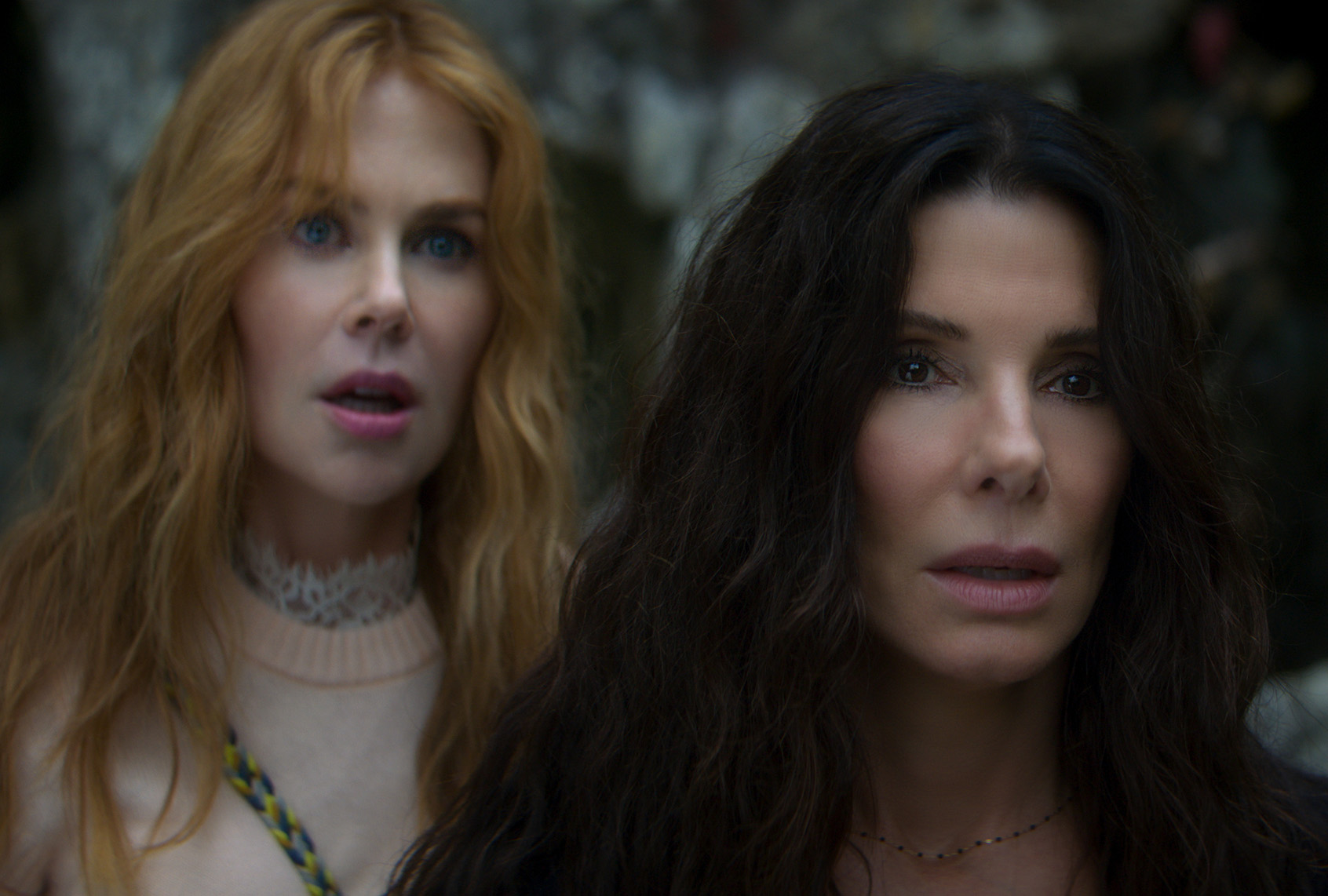
"What’s a good story if things end up the way they began?"
— Sally Owens (Sandra Bullock) in the opening narration of Practical Magic 2
This meta-commentary, written into the script as a preemptive defense mechanism, ironically highlights the film’s greatest structural failure. Rather than pushing the characters into genuinely uncharted territory, the narrative merely shoves familiar pieces around a stale board.
In promotional appearances, both Sandra Bullock and Nicole Kidman have leaned into the reality that the sequel exists primarily to satisfy online demand. As Bullock noted during the press tour, the film is an attempt to reward the audience that "found its tribe" around the original movie. However, critics have pointed out that acknowledging the fan-driven origins of a project does not excuse the creative bankruptcy that so often accompanies it.
Furthermore, industry analysts note that Practical Magic 2 follows a standardized Hollywood playbook for legacy sequels:
- Strip the original property down to its most recognizable aesthetic components (costumes, catchphrases, iconic locations).
- Frankenstein those parts into a safe, narratively inert continuation designed to minimize financial risk.
- Deploy younger, high-profile casting additions (in this case, King and Williams) to broaden demographic appeal while relegating veteran stars to peripheral emotional beats.
Future Outlook: The Fate of Aesthetic Franchising
As Practical Magic 2 settles into its theatrical run, its performance offers a stark lesson for studios attempting to monetize internet subcultures.
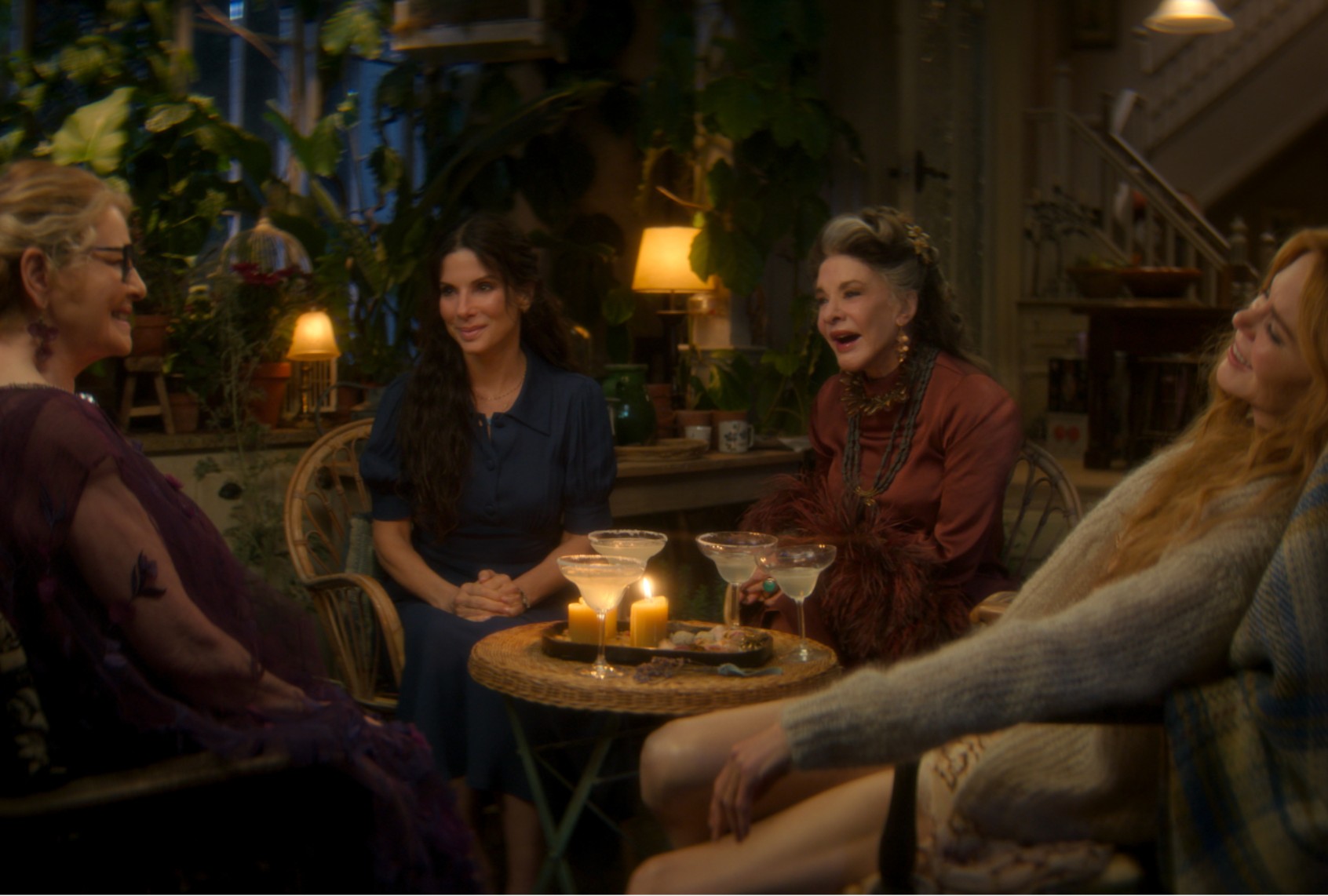
The film demonstrates that a movie built primarily on "aura-posting" and clip-farming cannot sustain a compelling multi-generational narrative. By failing to grapple with the actual passage of time—such as exploring how a family of witches might navigate a modern world saturated by smartphones, digital surveillance, and hyper-awareness—the sequel defaults to a lazy rehash of the original generation-spanning curse.
Is there a future for thoughtful, mature legacy sequels that honor their predecessors while forging a distinct identity? Outliers do occasionally emerge. Projects like The Devil Wears Prada 2, while similarly stumbling in visual style, have shown moments of self-awareness regarding the shifting cultural landscape.
However, unless studios are willing to invest in substantive storytelling, genuine directorial flair, and visual warmth over washed-out digital expediency, legacy sequels will remain ephemeral products. Like the changing leaves that exist solely to be photographed and discarded by the first winter frost, films like Practical Magic 2 risk being quickly forgotten—leaving behind a tainted legacy where genuine cinematic art is permanently overshadowed by the hollow specter of internet nostalgia.
