

Executive Overview
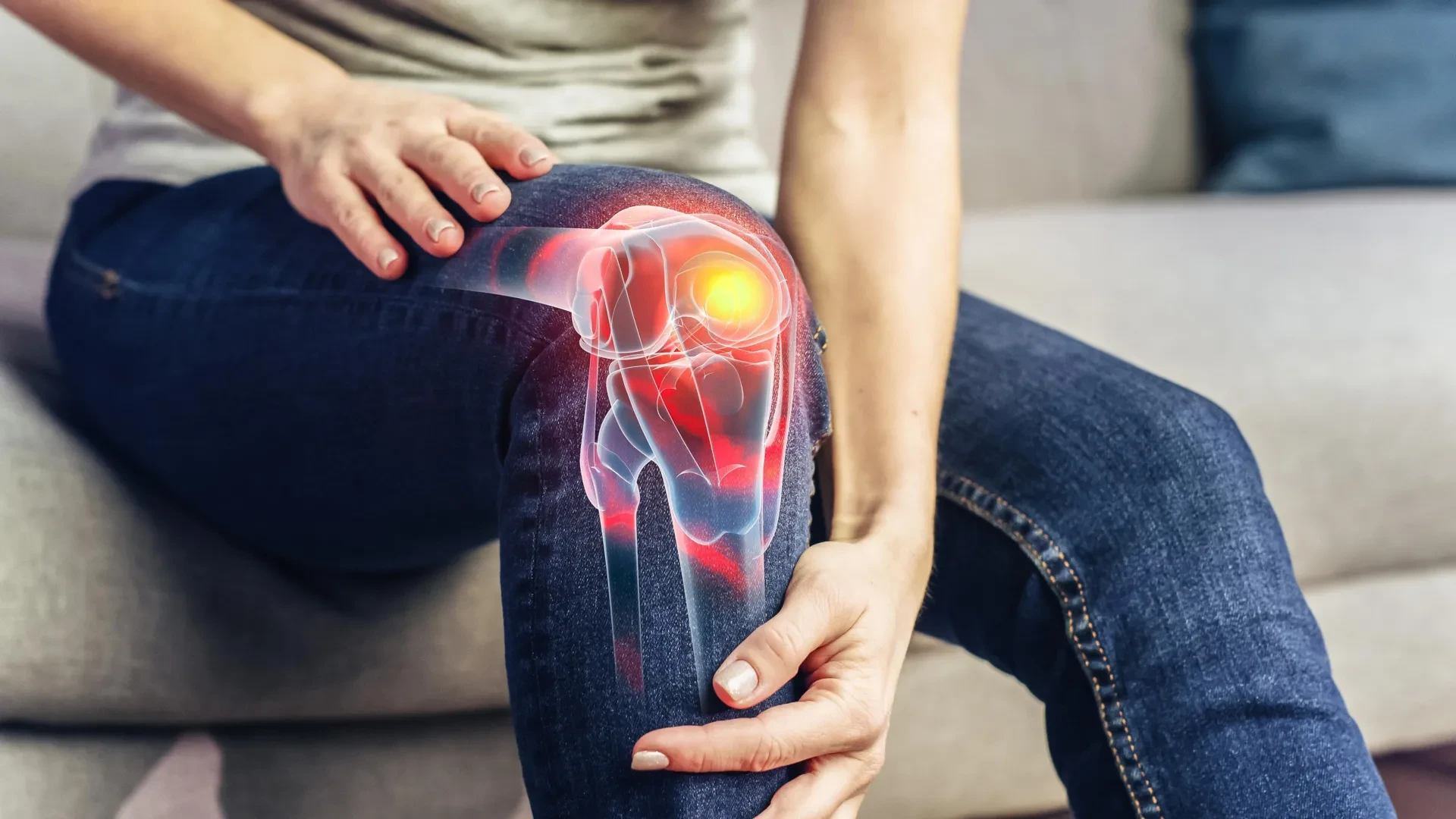
Knee osteoarthritis (OA) has long been viewed through a strictly mechanical lens—a wear-and-tear condition defined by deteriorating cartilage, bone-on-bone friction, and localized joint inflammation. For the hundreds of millions of individuals grappling with this debilitating, chronic condition worldwide, standard therapeutic pathways have remained largely unchanged for decades: a precarious balance of pharmaceutical pain management, lifestyle modifications, and physical therapy regimens.
However, a groundbreaking clinical trial led by researchers at the University of Nottingham and published in the journal Nutrients is challenging this dogma. The INSPIRE trial reveals that a simple, highly accessible daily dietary intervention—a prebiotic fiber supplement known as inulin—can deliver significant reductions in knee osteoarthritis pain, decrease systemic pain sensitivity, and notably improve muscle strength.
More than just a novel form of pain relief, this research exposes a complex and previously underappreciated biological superhighway: the gut-muscle-pain axis. By nourishing specific populations of beneficial gut bacteria, participants taking inulin experienced measurable shifts in their internal biochemistry, including elevated levels of short-chain fatty acids (like butyrate) and the gut hormone glucagon-like peptide-1 (GLP-1).
Crucially, the intervention proved exceptionally practical. While structured digital physical therapy programs frequently suffer from high attrition rates due to the physical barriers of exercising while in pain, the inulin supplement boasted an astonishingly low dropout rate of just 3.6%. As medical science looks for safer, more sustainable, and patient-centric strategies to combat age-related musculoskeletal decline, this study suggests that the future of arthritis care may begin not in the orthopedic clinic, but in the microbiome.
Detailed Chronology and Trial Architecture: Inside the INSPIRE Study
To fully understand the weight of these findings, one must examine the rigorous architecture of the INSPIRE trial, a six-week randomized controlled study designed to dissect the interplay between dietary prebiotics and musculoskeletal health.
Methodology and Patient Cohort
The trial enrolled 117 adult participants who had clinically confirmed knee osteoarthritis. These individuals were randomized into one of four distinct treatment arms to evaluate the isolated and combined effects of dietary and physical interventions:
- The Inulin Group: Received a measured daily dose of inulin fiber to be incorporated into their standard diet (such as sprinkled over breakfast or stirred into yogurt).
- The Digital Physical Therapy (PSE) Group: Followed a structured, digitally supported physical therapy exercise program tailored for knee osteoarthritis.
- The Combination Group: Received both the daily inulin supplement and the digital physical therapy program.
- The Placebo Group: Served as the control arm, receiving an inactive substance designed to mimic the daily routine without the active prebiotic.
Tracking the Clinical Progression
Over the course of six weeks, researchers monitored multiple clinical endpoints, moving beyond basic self-reported pain scores to evaluate physiological performance markers. The assessments tracked:
- Changes in subjective knee pain and localized joint tenderness.
- Systemic pain sensitivity (how strongly the central nervous system reacts to sensory stimuli).
- Functional muscle performance, measured via handgrip strength tests as an indicator of systemic physical resilience.
- Gut microbiome metabolic outputs, specifically tracking short-chain fatty acids and systemic hormone regulation.
The Divergent Paths: Compliance and Attrition
One of the most striking operational insights from the trial was the stark contrast in participant adherence. Compliance is one of the greatest hurdles in chronic disease management; patients dealing with persistent joint pain frequently struggle to maintain rigorous, high-effort exercise regimens.
This reality was starkly reflected in the trial’s dropout metrics. Participants assigned solely to the digital physical therapy program experienced a 21% attrition rate—a common phenomenon when physical exertion exacerbates underlying joint discomfort. Conversely, only 3.6% of participants assigned to the inulin-only supplement dropped out of the study. This vast disparity highlights a critical public health advantage: dietary adjustments that require minimal physical effort during flare-ups are vastly easier for patients to sustain long-term.
Supporting Context & Metrics: The Biological Mechanics of the Gut-Muscle-Pain Axis
To grasp why a simple carbohydrate found in chicory root can alter the experience of knee arthritis, one must explore the intricate ecosystem of the human gastrointestinal tract and its systemic reach.
What Is Inulin and How Does It Work?
Inulin is classified as a prebiotic, a type of soluble dietary fiber naturally present in plants such as chicory root, Jerusalem artichokes, garlic, onions, and leeks. Unlike standard macronutrients, inulin completely bypasses enzymatic digestion in the human stomach and small intestine. It arrives intact in the large intestine, where it acts as a selective feast exclusively for beneficial resident bacteria (such as Bifidobacteria).
When these beneficial microbes ferment inulin, they generate potent metabolic byproducts known as short-chain fatty acids (SCFAs). Among the most vital of these is butyrate, a compound that plays a multifaceted role in human physiology:
- It acts as the primary energy source for colonocytes (the cells lining the intestinal wall), reinforcing the integrity of the gut barrier and preventing systemic low-grade inflammation.
- It exerts immunomodulatory effects, dampening inflammatory signaling cascades that travel throughout the body—including those impacting degraded joint tissues.
The GLP-1 Connection and Muscle Function
Beyond short-chain fatty acids, the Nottingham researchers observed another intriguing biochemical shift in participants taking the inulin supplement: elevated systemic levels of glucagon-like peptide-1 (GLP-1).
GLP-1 is a peptide hormone naturally released by specialized cells in the gut. While it has achieved massive global recognition as the molecular target behind blockbuster metabolic and weight-loss medications like Ozempic and Wegovy, this study explored whether natural microbiome stimulation could independently influence the body’s intrinsic GLP-1 production.
The data revealed a compelling correlation: higher levels of GLP-1 induced by the inulin supplement were directly associated with improvements in participant grip strength. While correlation does not definitively prove direct causation, this finding provides a vital clue toward mapping the "gut-muscle-pain axis." As researchers look at how digestive health impacts aging, physical performance, and systemic resilience, the cross-talk between gut hormones and skeletal muscle maintenance opens entirely new avenues for therapeutic exploration.
Redefining Pain Sensitivity
Osteoarthritis pain is notoriously complex. The level of structural damage visible on an X-ray or MRI does not always correlate with the severity of pain a patient experiences. Central sensitization—a state where the central nervous system becomes hyper-reactive to pain signals—often plays a primary role.
The INSPIRE trial demonstrated that inulin not only reduced joint pain but also actively decreased overall pain sensitivity. By altering the systemic inflammatory milieu and potentially communicating with the nervous system via microbial metabolites and gut hormones, the prebiotic helped recalibrate how the body processes discomfort.
Official Statements and Expert Perspectives
The implications of the INSPIRE trial have drawn enthusiastic responses from both the academic community and major patient advocacy organizations, who view these findings as a paradigm shift in how chronic musculoskeletal conditions are approached.
Lead author Dr. Afroditi Kouraki of the School of Medicine at the University of Nottingham emphasized the practical accessibility of the intervention:
"This study raises the exciting possibility that a simple dietary change—adding a fiber supplement to your breakfast or yogurt—could meaningfully reduce pain and improve physical function. Our findings suggest that targeting gut health with a prebiotic supplement is a safe, well-tolerated, and effective way to reduce pain in people with knee osteoarthritis. The very low dropout rate compared to the exercise group is also encouraging from a public health perspective—people were able to fit this supplement easily into their daily lives."
Expanding on the broader scientific horizon, senior author Professor Ana Valdes highlighted the systemic nature of the discovery:
"The link we observed between GLP-1 and grip strength is particularly intriguing and points to a broader gut-muscle-pain axis that warrants further investigation. This could have implications not just for osteoarthritis, but for understanding how gut health influences aging and physical resilience more broadly."
The medical establishment has also welcomed the research as a bridge between traditional lifestyle interventions and modern microbiome science. Professor Lucy Donaldson, Director of Research at Arthritis UK, contextualized the findings against the daily realities faced by millions of sufferers:
"The pain of arthritis can severely impact quality of life. Our recent lived experience survey showed that six in ten people are living in pain most or all of the time due to their arthritis. Researchers are starting to explore the role of the gut microbiome in our experience of pain. This exciting preliminary research highlights how diet and physiotherapy can act in different ways to have benefits for people with arthritis. We know a variety and balance of healthy foods, including fiber, and regular physical activity matter, and we’re glad to be supporting research that explores how they work to help people with arthritis."
Future Outlook: Where Research Goes From Here
While the results of the INSPIRE trial are undeniably promising, the scientific community maintains a measured, rigorous approach to translating these findings into broad clinical guidelines.
Limitations and the Path to Large-Scale Validation
- Sample Size and Duration: The INSPIRE trial was intentionally designed as a pilot and proof-of-concept study, involving 117 participants over a span of six weeks. To establish definitive clinical protocols, larger, multi-center randomized controlled trials involving thousands of diverse patients across extended time horizons (6 to 12 months or more) are mandatory.
- Mechanistic Clarity: While associations between inulin, butyrate, GLP-1, and grip strength have been established, future research must map the exact molecular pathways by which gut-derived metabolites influence peripheral joints and central nervous system pain processing.
- Personalized Microbiome Profiling: Not all human microbiomes are identical. Future investigations will likely seek to identify specific baseline microbial signatures that indicate which patients are most likely to respond favorably to prebiotic interventions, moving toward precision nutritional medicine.
Complementing, Not Replacing, Established Care
It is vital to emphasize that these findings do not suggest dietary fiber supplements should replace established treatments like physical therapy, weight management, or medical interventions. Joint stabilization, mechanical support, and cardiovascular fitness remain foundational pillars of managing osteoarthritis.
Instead, inulin and similar prebiotics represent a powerful, low-risk, and highly scalable complementary strategy. For an aging global population seeking sustainable ways to manage chronic discomfort without relying solely on long-term pharmaceutical regimens, the prescription may soon be as simple as nurturing the microscopic universe within.