

Executive Overview
For decades, advertising for erectile dysfunction (ED) treatments has followed a notoriously predictable formula. Typically featuring middle-aged men walking solemnly along windswept beaches, sitting on side-by-side bathtubs, or looking wistfully into the middle distance, these campaigns have prioritized clinical discretion over charisma. The messaging has historically leaned heavily into medical jargon, regulatory disclaimers, and a clinical earnestness designed to soothe the anxieties of a demographic traditionally reluctant to seek medical care.
Now, telehealth unicorn Ro is aggressively rewriting the playbook.
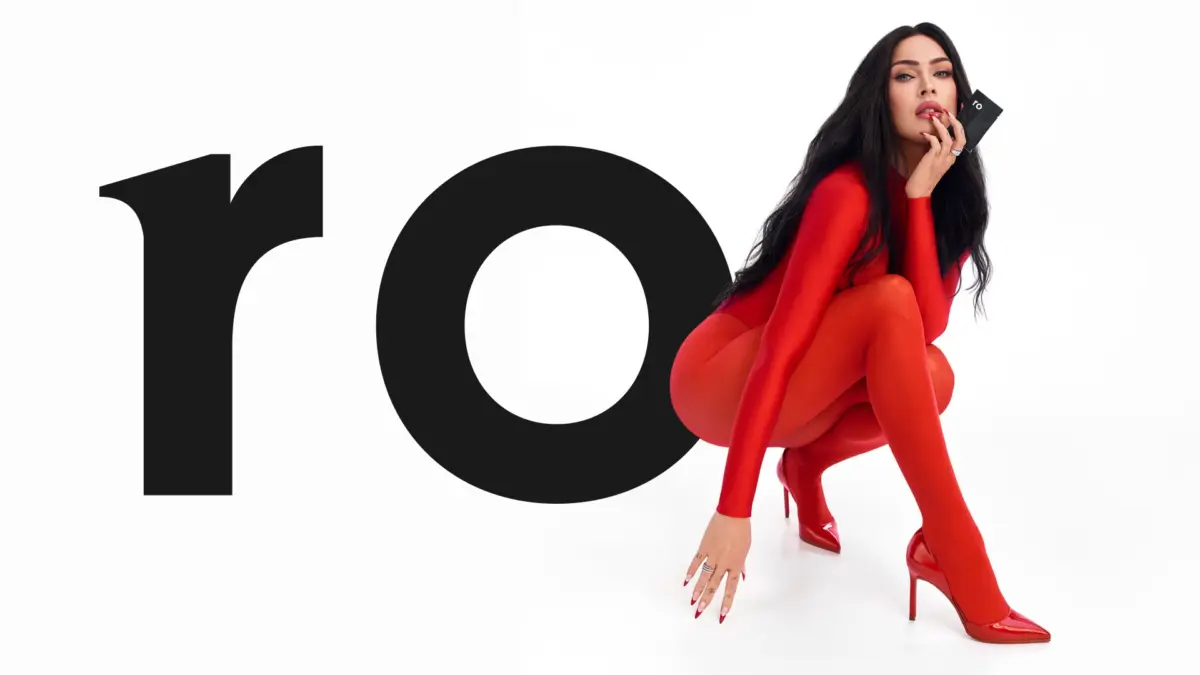
In a departure from conventional healthcare marketing, Ro has tapped global icon and cultural sex symbol Megan Fox to front its first-ever celebrity campaign for a compounded ED product. Titled “Megan Fox Is Ro Sparks,” the provocative new initiative eschews the traditional tropes of clinical trials and relatable testimonials. Instead, Fox embodies the medication itself, striding into view clad in a striking, form-fitting red catsuit emblazoned with the "Sparks" logo. In a sultry, direct-to-camera delivery, she speaks in the first person, detailing the pharmacological makeup and physiological effects of the treatment.
This strategic gambit is more than just a clever creative pivot; it represents a calculated evolution in direct-to-consumer (DTC) healthcare advertising. By deploying a female global sex symbol to champion a male sexual health medication, Ro is challenging entrenched cultural norms around who discusses erectile dysfunction, how brands frame sexual wellness, and what motivates men to seek treatment.
Behind the flash of the red catsuit and the neon glow of Times Square lies a sophisticated blend of behavioral psychology, telehealth business scaling, and regulatory tightrope walking. As Ro expands its footprint from digital health newcomer to formidable healthcare titan, the "Ro Sparks" campaign serves as a watershed moment for how wellness brands capture consumer attention in an increasingly crowded market.
Detailed Chronology: From Telehealth Startup to High-Voltage Marketing
The Genesis of Ro’s Marketing Evolution
Founded in 2017 as Roman (initially focusing on men’s health before expanding into Ro for women, Rory, and the general telehealth platform), the company built its reputation on reducing friction in the patient-care journey. Early marketing efforts relied heavily on digital-first, performance-marketing tactics: sleek blue pill bottles, discreet packaging, and ubiquitous subway and podcast advertisements designed to normalize conversations around sensitive health topics.
As the platform matured and expanded its service lines—incorporating everything from hair loss and skincare to weight management and general primary care—its marketing ambitions scaled proportionally. Ro transitioned from low-funnel digital acquisitions to high-impact cultural moments, a trajectory that culminated in major television placements and high-profile celebrity partnerships.
The Shift Toward Star Power
In recent quarters, Ro leaned into authentic, narrative-driven celebrity endorsements, primarily centered around its burgeoning GLP-1 (weight-loss medication) offerings. These campaigns featured public figures speaking candidly about their personal health struggles and triumphs. Tennis legend Serena Williams, NBA icon Charles Barkley, reality television personality Trisha Paytas, and actress Chrissy Metz all partnered with Ro to share their personal journeys with weight management and metabolic health.
These campaigns succeeded by leaning on vulnerability. They humanized the clinical experience, assuring consumers that high-profile individuals faced the exact same biological and emotional hurdles as everyday patients.
However, when Ro’s in-house marketing team turned its attention to the company’s compounded ED offering—branded as "Ro Sparks"—they realized that the vulnerability playbook required a radical reboot. Erectile dysfunction carries a distinct psychological burden, often intertwined with performance anxiety, shame, and a reluctance to engage with traditional healthcare systems. Repeating the earnest, confessional tone used for weight loss felt misaligned with the energy required to invigorate a stagnant category.
Conceptualizing "Megan Fox Is Ro Sparks"
The conceptualization of the Megan Fox campaign was born out of extensive consumer research conducted by Ro’s internal marketing division. Through continuous polling and focus groups, the telehealth platform uncovered a counterintuitive insight: male consumers were frequently more receptive, attentive, and responsive to ED marketing when the messenger delivering the information was a woman.
This data point opened up several creative avenues. The team initially explored various narratives, including framing sexual health as a collaborative couple’s issue by featuring a woman who had navigated ED alongside a partner. While viable, this approach risked defaulting to the familiar, comforting tone of traditional pharmaceutical ads.
Ultimately, the team chose a bolder, more transgressive route. Capitalizing on Megan Fox’s established cultural persona as a global sex symbol allowed the brand to inject unapologetic attitude, confidence, and edge into a product category that desperately needed disruption. According to company statements, the concept was tailor-made for Fox’s unique brand of unapologetic allure—an idea that "wouldn’t work with anyone else."
The Multi-Channel Launch
The campaign officially went live on a Thursday, deploying a comprehensive, multi-tiered media strategy designed to capture maximum cultural oxygen:
- Linear TV and Streaming: High-impact video spots began airing across major television networks and connected TV (CTV) streaming platforms, instantly injecting the high-voltage imagery into living rooms nationwide.
- Paid Social: Targeted digital campaigns rolled out across Meta, TikTok, and other platforms, optimized to engage users with scroll-stopping visual assets.
- Out-of-Home (OOH) Takeover: The campaign featured a massive, interactive out-of-home presence in New York City, highlighted by a high-visibility Times Square takeover starting on October 5.
- Experiential Guerrilla Marketing: To drive physical engagement and social media virality, Ro deployed tear-away posters across strategic locations throughout New York City, inviting pedestrians to interact directly with the brand imagery.
Supporting Context & Metrics: The Science, Strategy, and Regulatory Reality
Pharmacological Breakdown of "Ro Sparks"
To understand the product at the center of the campaign, one must examine its chemical composition. "Ro Sparks" is a compounded medication that combines two of the most widely recognized active pharmaceutical ingredients in erectile dysfunction treatment: sildenafil (the active ingredient in Pfizer’s Viagra) and tadalafil (the active ingredient in Eli Lilly’s Cialis).
- Sildenafil is a phosphodiesterase type 5 (PDE5) inhibitor known for its rapid onset, typically helping achieve erections within 30 to 60 minutes.
- Tadalafil is celebrated for its extended half-life, offering efficacy that can last for up to 36 hours, earning it the moniker "the weekend pill."
By compounding these two ingredients into a single formulation designed to dissolve under the tongue (sublingually), Ro aims to offer a fast-acting, highly customizable therapeutic option.
However, this product sits within a nuanced regulatory landscape. Unlike commercially manufactured drugs approved through the standard FDA New Drug Application (NDA) process, compounded medications are custom-prepared by licensed pharmacists to meet the specific needs of an individual patient when an approved commercial drug does not meet those needs (such as during drug shortages or when a specific dosage combination is required). Ro is transparent about the regulatory status of the product, noting in its campaign disclosures that Ro Sparks is not formally approved by the FDA—a standard requirement for compounded formulations.
Consumer Psychology and the Female Messenger
The decision to cast a woman as the literal embodiment of an ED pill is grounded in robust consumer behavior research. For decades, pharmaceutical marketing assumed that male patients would prefer male authorities—doctors, athletes, or relatable "everymen"—discussing male sexual dysfunction.
Ro’s internal data shattered this assumption. Men experiencing ED often grapple with deep-seated performance anxiety directed toward their partners. By shifting the perspective and having a woman articulate the benefits, mechanism of action, and confidence-boosting properties of the medication, Ro reframes the narrative. The message moves away from clinical deficiency and toward mutual satisfaction, confidence, and desire.
Megan Fox’s delivery is deliberately detached from medical sterility. She does not reference clinical trial data, cite percentages of efficacy, or share anecdotes about aging. Instead, she speaks with the cool, assured confidence of the product itself, effectively telling the consumer: This is what confidence looks like; this is what power feels like.
Official Statements and Industry Perspectives
The bold creative direction of the campaign has already sparked extensive discourse within the marketing, advertising, and healthcare sectors.
In a press release detailing the launch, Ro executives emphasized that the campaign was designed to dismantle the shame and stigma historically attached to men’s sexual health.
"ED is one of the most common health issues men face, yet it remains cloaked in embarrassment and archaic marketing tropes," a Ro spokesperson noted. "With Megan Fox as Ro Sparks, we wanted to create something undeniable, bold, and entirely unignorable. It’s about taking the anxiety out of the equation and injecting pure confidence into the category."
Industry analysts have weighed in on the strategic brilliance—and potential risks—of the campaign. Marketing historians note that while celebrity-driven healthcare campaigns are becoming more common, few brands have crossed the line from "endorser" to "personification" with such theatrical flair.
Dr. Aris Thorne, a behavioral health researcher specializing in direct-to-consumer healthcare marketing, observed:
"What Ro is doing here is fundamentally altering the emotional valence of a taboo subject. By choosing Megan Fox to personify the drug rather than simply endorse it, they remove the clinical barrier between the patient and the remedy. It transforms a medical transaction into a lifestyle aspiration. Whether conservative demographics will embrace a sex symbol talking candidly about sublingual ED compounds remains to be seen, but from an attention-economy standpoint, the campaign has already succeeded in breaking through the noise."
Future Outlook: What "Ro Sparks" Means for the Future of Telehealth Marketing
As the dust settles on the launch of "Megan Fox Is Ro Sparks," the campaign’s long-term implications extend far beyond Ro’s quarterly sales figures. It provides a fascinating window into the maturation of the telehealth industry and forecasts several key trends for the future of wellness advertising:
1. The Death of the Clinical Stereotype
The era of the gentle, whispering narrator in pharmaceutical commercials is drawing to a close. As digitally native direct-to-consumer brands capture larger market shares from legacy healthcare institutions, marketing must resonate with younger, more media-literate demographics. Expect future health campaigns to lean heavily into bold aesthetics, high-fashion styling, and cultural icons who challenge traditional demographic boundaries.
2. Navigating Compounded Medications and Regulatory Scrutiny
The widespread adoption of compounded medications—accelerated by shortages of blockbuster GLP-1 and ED drugs—has placed telehealth companies under increased regulatory scrutiny from agencies like the FDA. Campaigns like "Ro Sparks" elevate the profile of compounded products on a national stage. As these brands scale their marketing efforts, regulatory bodies will likely monitor how telehealth platforms communicate the distinction between FDA-approved commercial drugs and customized compounded formulations.
3. The Expansion of Gender-Fluid Health Messaging
Ro’s success in using a female messenger for a male-centric product proves that demographic boundaries in health marketing are entirely fluid. Future campaigns across the wellness sector will likely experiment with cross-demographic messaging, leveraging unexpected voices to dismantle stigma, foster empathy, and drive consumer engagement.
Conclusion
With "Megan Fox Is Ro Sparks," Ro has proven that healthcare marketing does not have to be boring to be effective. By blending cutting-edge telehealth delivery with high-voltage pop culture, the company has transformed a private medical inconvenience into a public cultural moment. Whether strutting down the digital airwaves or commanding attention in the heart of Times Square, Megan Fox and Ro have permanently altered how the world talks about modern masculinity, confidence, and sexual wellness.