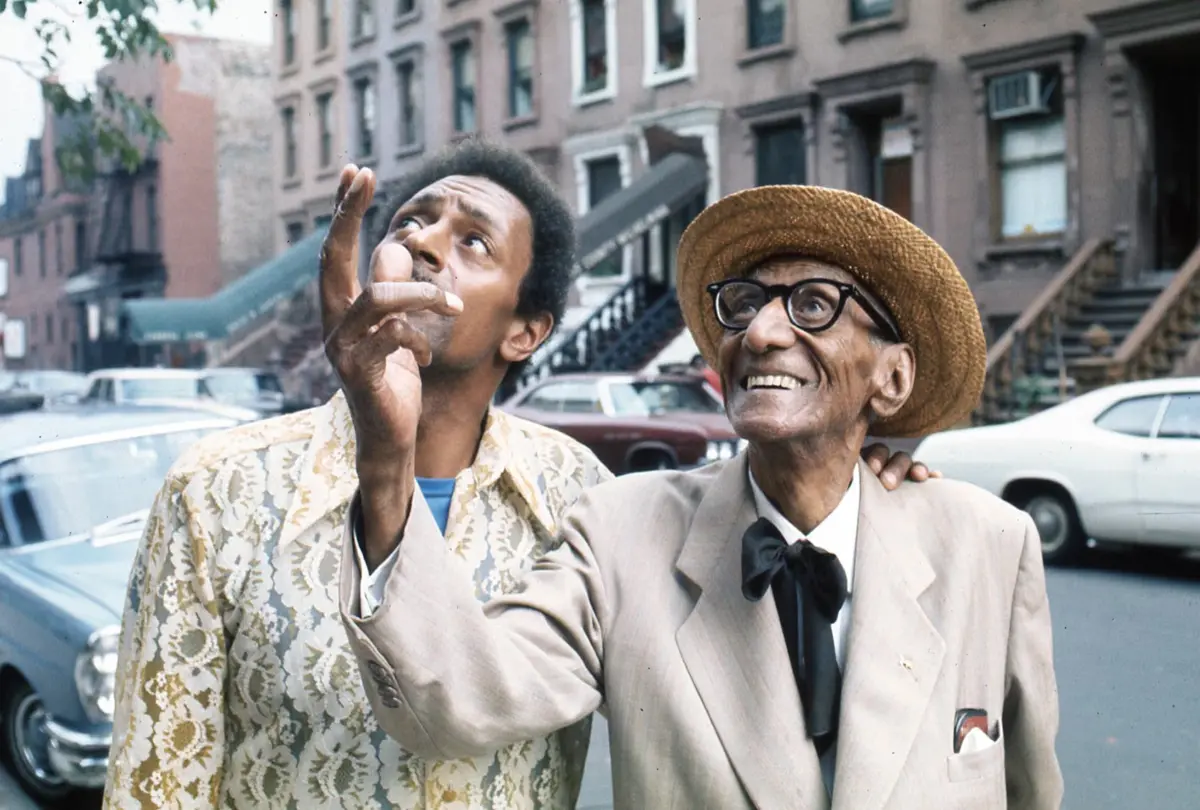
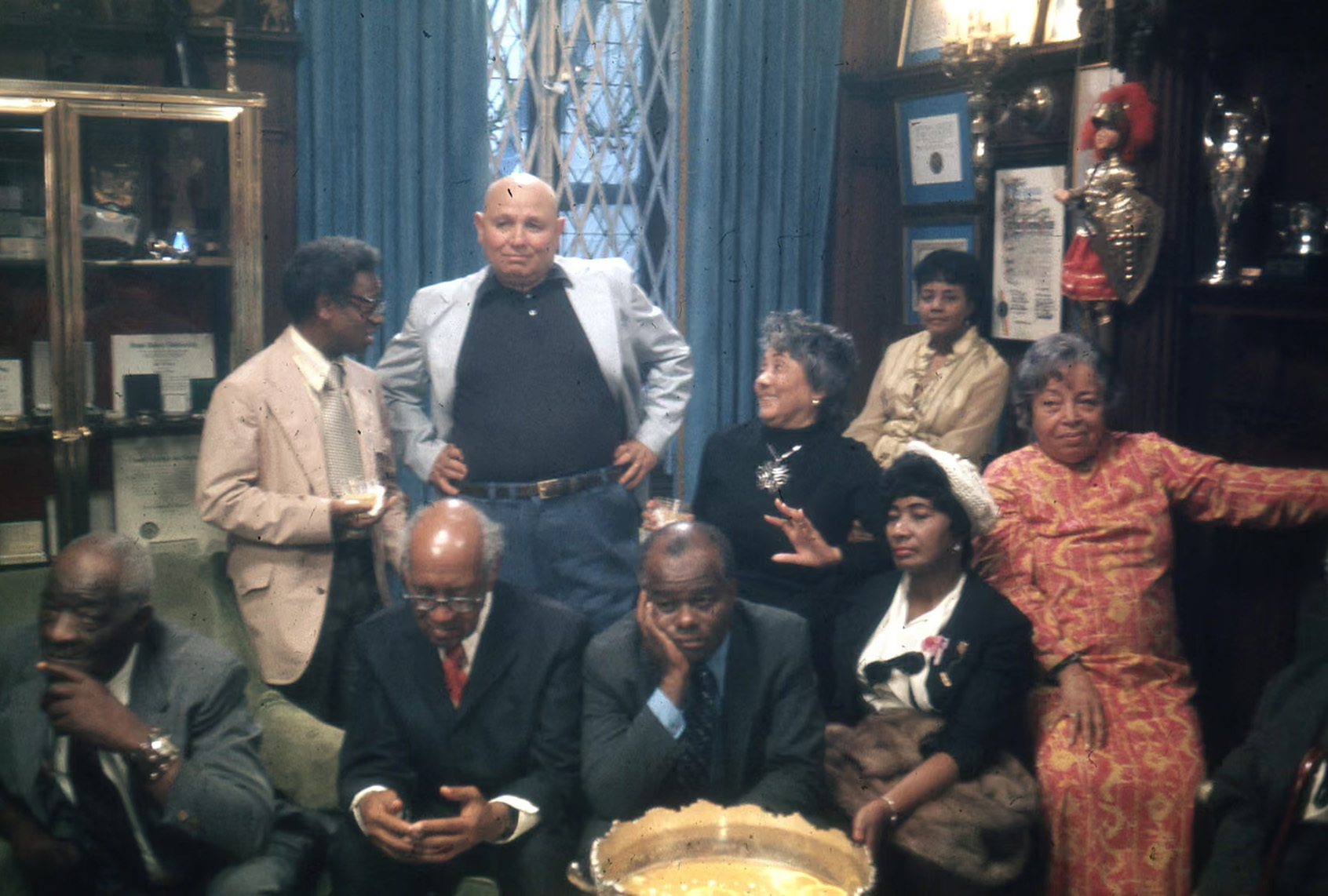
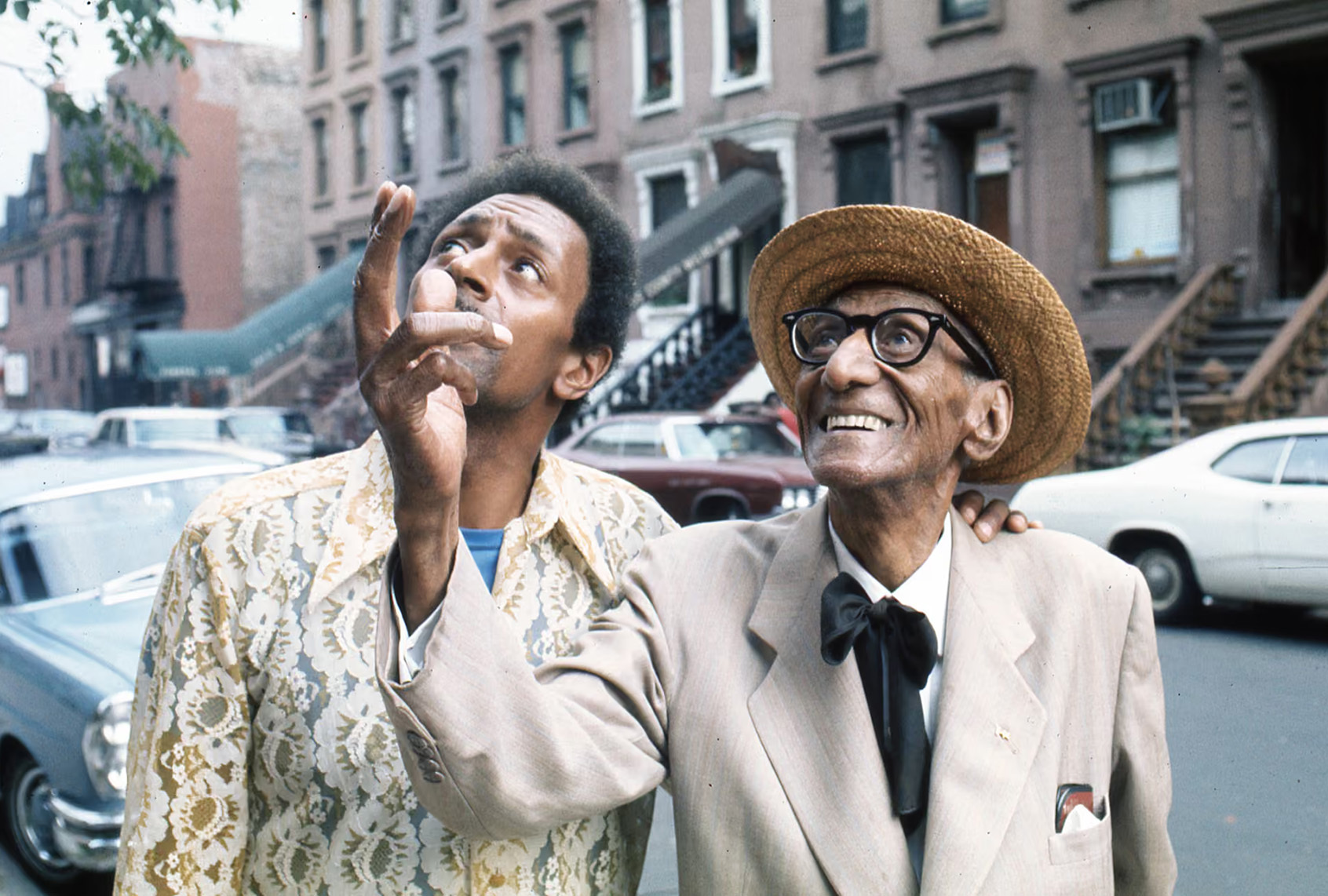
In an era defined by the algorithmic sorting of public opinion—where digital discourse is frequently flattened by the pursuit of viral engagement, tribalism, and instant validation—the newly restored documentary Once Upon a Time in Harlem arrives as both a cinematic time capsule and an urgent cultural corrective. Directed by David Greaves and built upon original footage captured by his pioneering father, William Greaves, the film transports modern viewers back to a single, extraordinary evening in 1972. During a four-hour cocktail party hosted at the townhouse of legendary composer Duke Ellington, a constellation of Harlem Renaissance luminaries gathered to spar, reminisce, and intensely debate the legacy of the movement that reshaped American culture.
Featuring titanic figures such as pianist Eubie Blake, artist Romare Bearden, activist Louise Thompson Patterson, journalist Gerri Major, and writer George Schuyler, the documentary captures a rare cultural ecosystem: one where sharp, uncompromising intellectual disagreement coexisted with a unified devotion to Black humanity and liberation.
As contemporary cultural spaces grapple with a hostile digital landscape—where critiques of Black art are routinely bogged down by parasocial defensiveness, monetization incentives, and corporate risk-aversion—Once Upon a Time in Harlem offers a profound reminder. It champions the idea, voiced by Schuyler in the film, that rigorous, unsparing intellectual debate is the definitive "mark of a civilized community."
Detailed Chronology: From the New Negro Movement to Duke Ellington’s Townhouse
To fully appreciate the weight of the conversations captured in Once Upon a Time in Harlem, one must trace the lineage of the movement itself, as well as the unique conditions that allowed its principal architects to reflect on it decades later.
The Genesis of a Cultural Awakening
Often referred to at its inception as the "New Negro Movement," the Harlem Renaissance lacked a universally agreed-upon timeline even among those who lived through it. As depicted in the documentary, the assembled intellectuals spiritedly debate the exact genesis of the era. Some pin its explosion to the 1920s, the decade that saw the publication of landmark texts like Alain Locke’s The New Negro and Carl Van Vechten’s controversial novel Nigger Heaven. Others argue its roots trace back to the tumultuous 1910s, punctuated by watershed political events like the Silent Protest Parade of 1917, where thousands of African Americans marched down Fifth Avenue in New York City to protest racial violence and lynchings.
The 1972 Gathering
Fast forward to 1972: the height of the Black Arts Movement and the same year the National Black Political Convention in Gary, Indiana, was attempting to chart a unified political path forward. William Greaves recognized the vital importance of preserving the living memories of the fading generation of Harlem Renaissance architects. He assembled an elite salon at Duke Ellington’s residence.
Cameras rolled as drinks were poured, voices rose, and opinions collided. The participants did not merely trade polite pleasantries; they interrogated the very foundations of their life’s work. They debated the political efficacy of figures like Marcus Garvey, the controversial financial and social influence of white patrons like Carl Van Vechten, and the marginalization of creative pioneers like Zora Neale Hurston, Augusta Savage, and Countee Cullen.
Restoration and Contemporary Resonance
Decades later, director David Greaves has meticulously restored his father’s footage, transforming an archival artifact into a vital mirror for the 2026 cultural landscape. The film exposes a stark contrast: while the veterans of the Harlem Renaissance and the 1972 salon could fiercely disagree on art, politics, and patronage while maintaining intellectual humility, contemporary digital spaces often trade nuance for antagonism.
Supporting Context & Metrics: The Mechanics of Modern Discourse vs. Historical Intimacy
The structural shift in how Black art and culture are critiqued today versus the mid-20th century is vast. According to Dr. Brienne Adams, assistant professor of Black Studies at Georgetown University, the transformation is fundamentally driven by the architecture of modern media platforms.
The Algorithmic Funnel
Unlike the intimate, physical salons of Harlem or Ellington’s townhouse—where participants shared common foundational frameworks, institutional touchstones (such as historically Black colleges like Howard University), and deep neighborhood familiarity—contemporary discourse is mediated by algorithms.
"Social media allows for more voices to be heard, but algorithmically situated based upon someone’s interests where they’re entering into the conversation," Adams notes. This structural design isolates users into echo chambers, stripping critiques of their broader context and accelerating polarization.
The Economics of Antagonism
Furthermore, the rise of the digital creator economy has introduced direct financial incentives for outrage. When views, clicks, and algorithmic algorithmic visibility are tied to monetary gain, the nature of public commentary changes.
The Drive for Dominance: Creators and commentators often feel compelled to demonstrate "the most"—whether that means being the most devoted fan, the most ideologically pure, or the most radically informed.
The Collapse of Curiosity: This competitive posture fosters an environment of intense antagonism, displacing the intellectual curiosity and humility that underpin true critical thinking.
Parasocial Barriers: Unlike historical figures who maintained a degree of separation from their audiences, modern consumers often form intense parasocial relationships with contemporary artists. This proximity breeds a defensive preciousness around modern Black art, conflating constructive critique with betrayal.
The Preservation Imperative vs. Art for Art’s Sake
Another critical divergence lies in the stakes of the critique. Figures like Langston Hughes and George Schuyler engaged in public intellectual warfare—such as the famous ideological split between Schuyler’s 1926 essay "The Negro-Art Hokum" and Hughes’ response "The Negro Artist and the Racial Mountain"—to debate the aesthetic boundaries and definitions of Black art for its own sake.
Today, however, critical discussions frequently operate under a profound sense of emergency. With Hollywood executives repeatedly rolling back investments in Black storytelling and streaming originals shifting away from diverse narratives, contemporary critique is often weighed down by the urgent need for preservation.
Official Perspectives and Expert Analysis
The cultural implications of this documentary extend far beyond film criticism, touching on sociology, media studies, and the ongoing struggle for authentic representation.
"The preciousness around critiquing it still centers white gazes to say that we have to be presentable and respectable in ways… That’s not conducive to the type of ‘civilized community’ Schuyler reflects upon."
— Dr. Brienne Adams, Assistant Professor of Black Studies, Georgetown University
Adams argues that when audiences and critics treat modern Black art—whether it be high-profile film biopics or television reboots—with kid gloves out of fear that criticism will be used by Hollywood gatekeepers to defund future projects, they are inadvertently submitting to respectability politics. By centering the white gaze, this protective instinct stifles the exact kind of robust, internal accountability that allowed the Harlem Renaissance to flourish as a golden age of creativity.
Filmmakers and industry observers have noted similar pressures. As noted by producer and filmmaker Nina Lee, studio gatekeepers frequently utilize the performance of isolated titles to justify sweeping retrenchments in greenlighting Black-led projects. This cyclical executive timidness creates an anxious fandom culture where nuanced artistic flaws cannot be safely addressed without inviting accusations of disloyalty.
Yet, as Once Upon a Time in Harlem demonstrates, the luminaries of the 1920s and ’70s understood that artistic excellence requires rigorous internal friction. They did not demand uniformity; they demanded excellence, authenticity, and intellectual rigor.
Future Outlook: Reclaiming the Salon in the Digital Age
As Once Upon a Time in Harlem makes its way to audiences in 2026, its release serves as a diagnostic tool for our current cultural malaise. It forces us to ask: Can we reclaim the spirit of the Harlem Renaissance salon within the hyper-connected, monetized architecture of the internet?
Signs of hope do exist. Across independent digital spaces—from curated Substacks and niche podcasts to moderated community forums—pockets of thinkers are actively carving out digital equivalents of Duke Ellington’s townhouse. These spaces prioritize depth over virality, allowing for disagreements that challenge the work without attacking the humanity of the creator.
Ultimately, Once Upon a Time in Harlem acts as a bridge across time. It warns us that if we sacrifice intellectual rigor on the altar of algorithmic outrage or defensive corporate tokenism, we risk losing the very foundation built by those who came before us. As journalist Gerri Major poignantly warns in the film, reminding her peers of the stakes of their legacy: "They’re going to lose if they cannot profit from the struggles that we went through."
To honor that struggle today, modern culture must relearn the lost art of thoughtful, unyielding, and respectful disagreement—proving that a truly civilized community is measured not by how quietly its members agree, but by how bravely they challenge one another to rise higher.