In an era defined by relentless news cycles, hyper-polarization, and the existential exhaustion of digital doomscrolling, one public radio anomaly continues to thrive against conventional media logic. NPR’s weekly news quiz show, Wait Wait… Don’t Tell Me!, has spent nearly three decades doing the seemingly impossible: making the news not only tolerable, but outright hilarious.
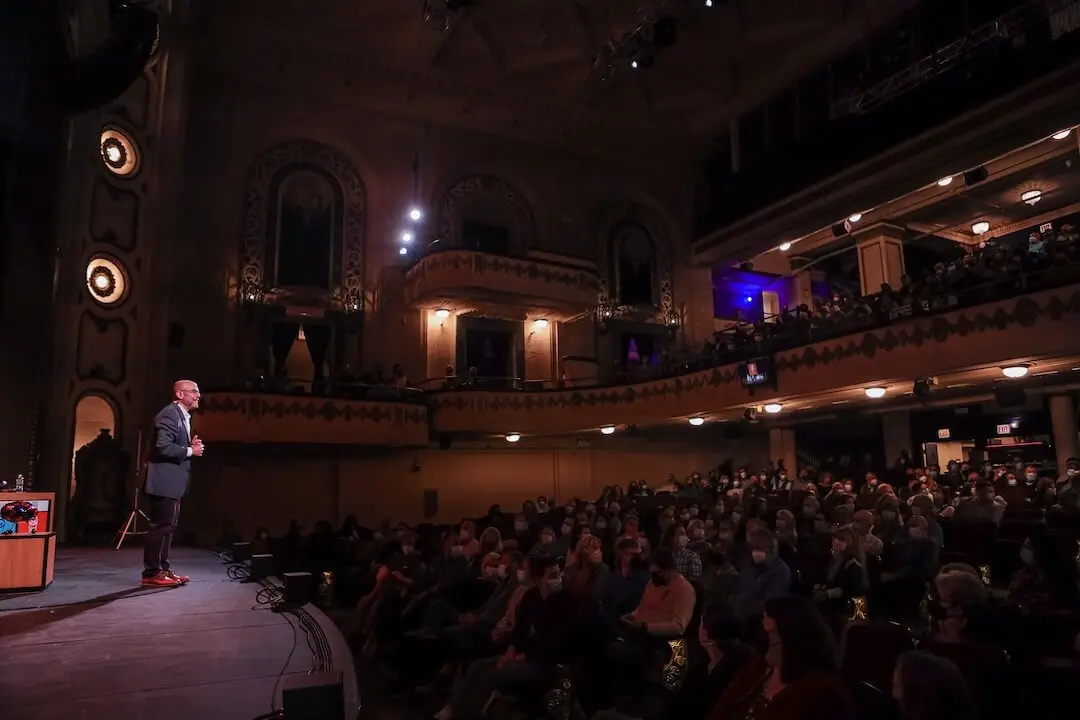
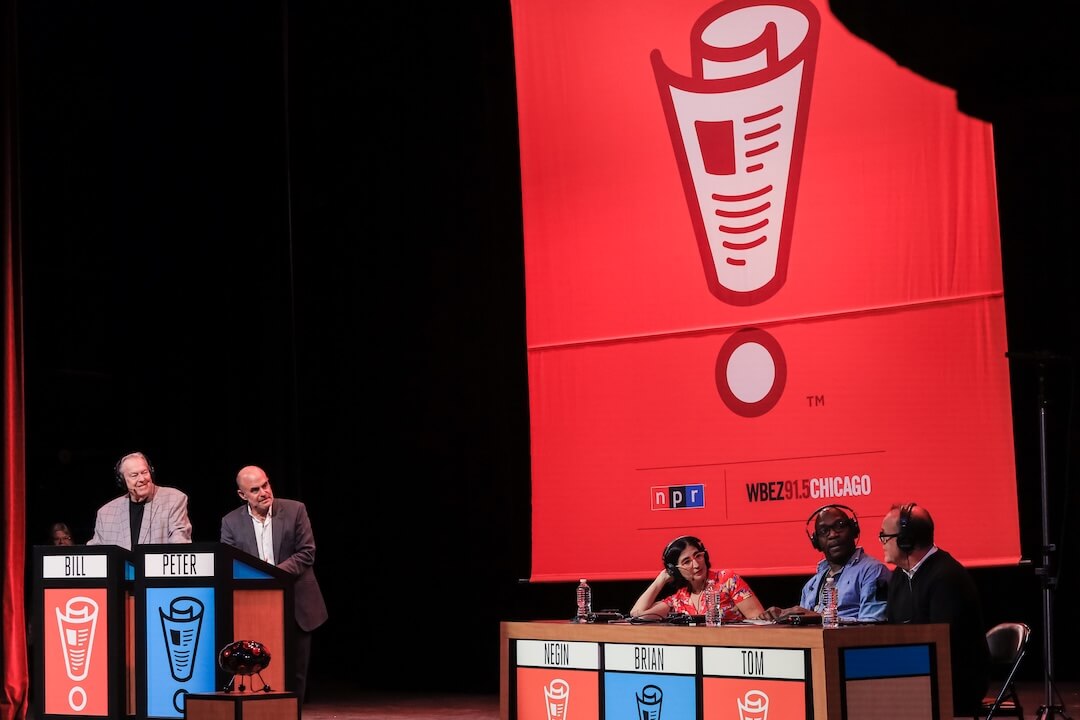
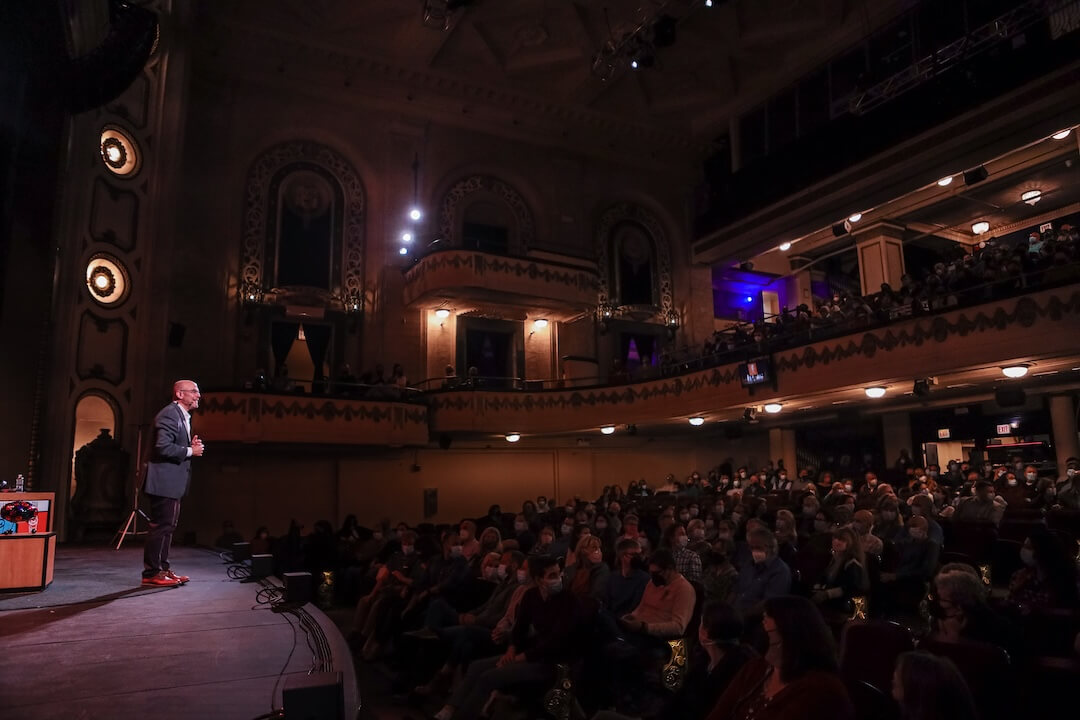
Far removed from the antiseptic climate of a traditional Chicago broadcasting studio, a recent live taping at Sonoma State University saw roughly 4,000 enthusiastic fans spill out of the campus theater and overflow auxiliary parking lots. This was not the student body turning out for a campus comedy troupe, but a testament to the enduring, nationwide pull of a program that trades in the absurdities of modern life. From UCLA scientists leveraging OnlyFans to fund marmot research and a Turkish governor ousted for wearing bicycle shorts, to the corporate beauty trend of "strategic wrinkles" and author Mary Roach detailing her international quest to research a "finger penis," Wait Wait operates at the intersection of journalism, high-concept comedy, and civic gathering.
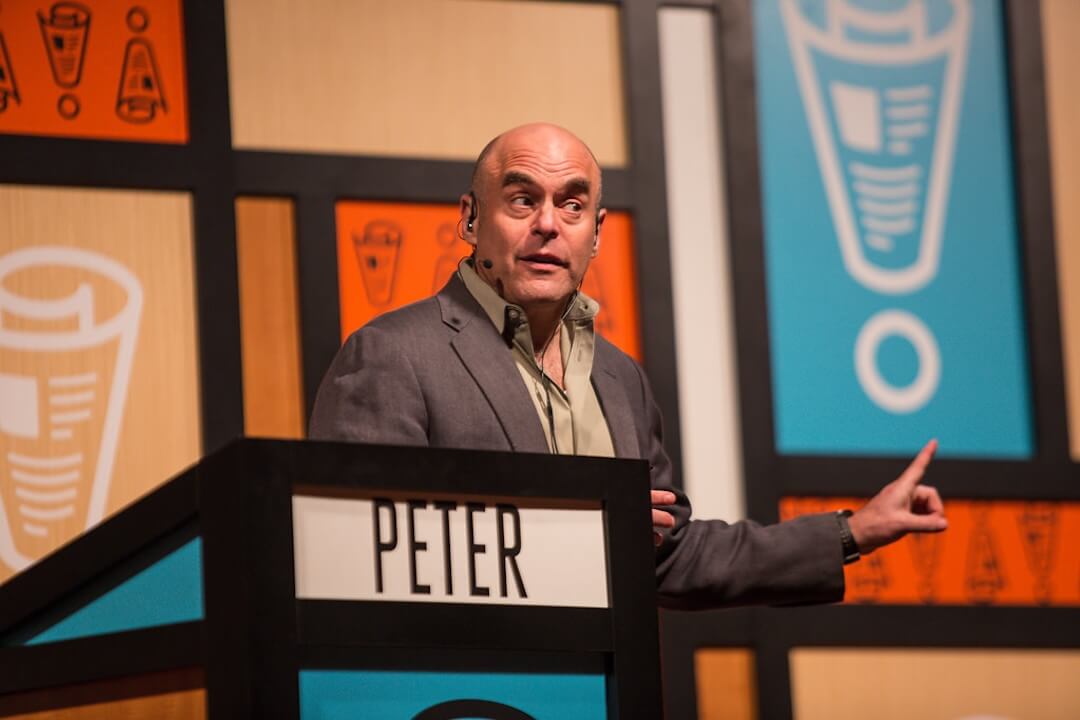
Yet, beyond the viral anecdotes and the roaring live crowds lies a sophisticated media institution. Pulling in roughly 3.2 million weekly listeners and ranking as one of the country’s top podcasts with over 909,000 weekly downloads, the show functions as a cultural pressure valve. As public media navigates federal funding cuts, shifting platform economics, and a populace increasingly fatigued by traditional journalism, Wait Wait… Don’t Tell Me! has endured not by chasing every shifting digital trend, but by functioning as what host Peter Sagal affectionately calls a "mutual aid organization" for the sane mind.
Detailed Chronology: From Faltering Experiment to Audio Institution
The trajectory of Wait Wait is a masterclass in broadcast resilience, tracing an unlikely path from a high-stakes experiment to a multi-generational audio staple.
The Inception and Early Struggles (1998)
The show was originally conceived by Car Talk producer Doug Berman—universally revered by the staff as the "Benevolent Overlord"—as a deliberate reward for NPR’s traditionally news-focused, highly conscientious audience. Debuting on January 3, 1998, the program was designed to offer listeners a break from the gravity of the headlines.
However, early market responses were far from universally positive. In its infancy, the show omitted major media markets and faced considerable skepticism from public radio purists who questioned whether comedy belonged on the same airwaves as international crises and economic reports. The format lacked the precise cultural footing it enjoys today.
Finding Its Footing and Embracing the Live Audience (2000–2014)
The show truly found its stride when it paired host Peter Sagal with the gravitas of Carl Kasell, the legendary Weekend All Things Considered anchor who served as the show’s inaugural announcer and scorekeeper. Kasell brought immediate institutional credibility to the venture.
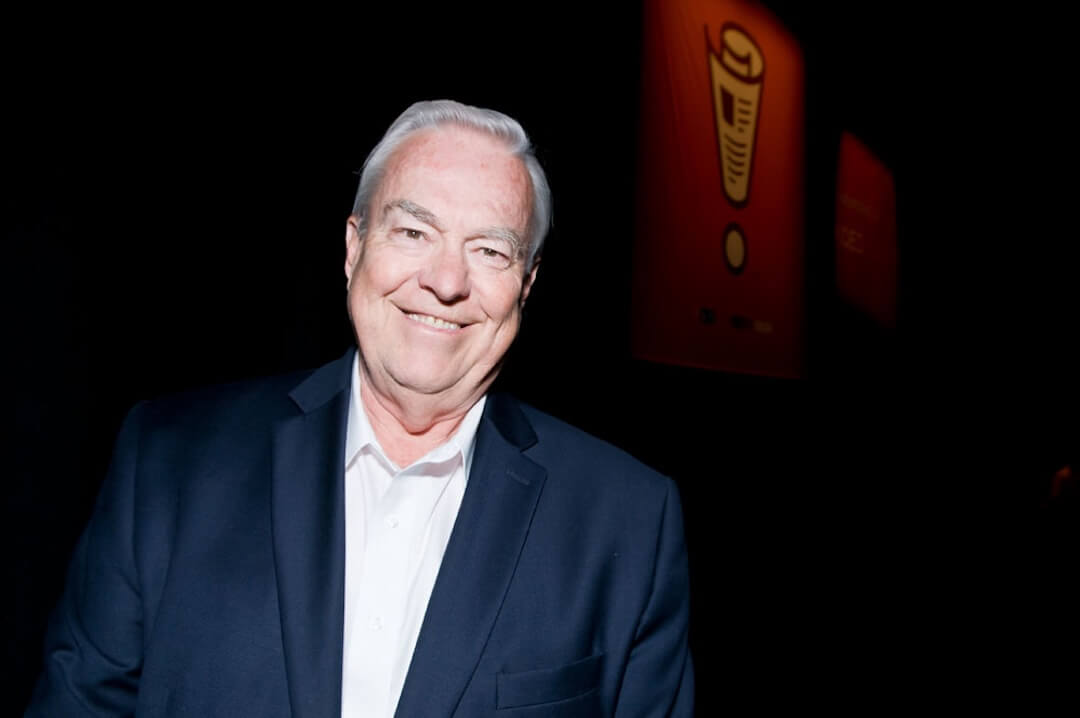
The turning point for the program’s atmosphere came in 2000, when producers introduced a live audience, transitioning to weekly live recordings by 2005. The addition of a crowd transformed the broadcast from a studio experiment into a vibrant theatrical event. Bill Kurtis, who stepped into the scorekeeper role in 2014 after a storied five-decade career as a television anchor and reporter for CBS, noted the intoxicating nature of live feedback.
"The first time you hear the applause for something you have said, it’s addictive," Kurtis reflected, utilizing his booming, satiny baritone—once described as the only bill in Washington that cannot be vetoed—to anchor the show’s signature wit.
Modern Transitions and the Alzo Slade Era (2016–Present)
As the years progressed, the show successfully managed major talent handoffs without disrupting its core identity. Following Kasell’s retirement, Kurtis held court for over a decade until his own retirement in early 2026. Comedian Alzo Slade seamlessly stepped into the role of judge and scorekeeper, maintaining the show’s rhythm.
Over its lifetime, the program has featured 118 distinct panelists and an astounding 1,224 celebrity guests—ranging from counter-culture icons to Supreme Court Justice Ketanji Brown Jackson. Through pandemic-era Zoom recordings, shifting political landscapes, and the explosive rise of the podcast economy, Wait Wait has maintained an unbroken creative baseline, proving that consistency is its greatest asset.
Supporting Context & Metrics: The Anatomy of an Audio Juggernaut
By conventional media analytics, Wait Wait defies the standard attrition curves that plague legacy broadcasting. Statistics compiled by NPR reveal that in the spring of 2026, the program drew an average of 1.98 million listeners during any given 15-minute window, culminating in a weekly reach of 3.2 million. On the digital front, Edison Research positions the program as the 35th most popular podcast in the United States, generating upwards of 909,000 weekly downloads and frequently breaching Spotify’s top 100 podcast charts.
The Science of Humorous News Consumption
The structural success of the show is backed by contemporary media research. A 2021 study from the Annenberg School for Communication at the University of Pennsylvania found that young adults aged 18 to 34 are significantly more likely to remember and share news content when it is presented through a humorous lens.
Leslie Berestein Rojas, an associate professor of professional practice and director of audio news at the USC Annenberg School, notes that this phenomenon bridges a critical gap for younger demographics.
"Younger audiences, especially, want their news to be both informative and entertaining, and they appreciate satire," Berestein Rojas explained. "It does really help them cope and make sense of the world right now that can seem a little scary, and has seemed scary on and off for some time."
In this light, Wait Wait functions as a psychological cushion. By transforming the week’s anxieties into comedic currency, the show creates what media scholars term "sticky" news—information that retains high retention rates precisely because it bypasses the numbness induced by 24-hour panic cycles.
Official Statements: Perspectives from the Booth and the Stage
The philosophy driving Wait Wait is best understood through the reflections of those who shape its weekly chaos. For the production team and veteran performers, the show represents both a professional liberation and a vital public service.
Peter Sagal emphasizes that the show’s primary mandate is emotional rather than informational:
"Public radio listeners, our audience, are very conscientious people. They have a strong sense of obligation to be well informed — sometimes to their detriment. It can get depressing and overwhelming. And then on Saturday mornings […] they got us making fun of [the news] and talking about completely different, goofy things. Instead of informing, our job is to delight and amuse and distract."
Bill Kurtis, looking back on a career defined by hard-hitting journalism before his tenure on the quiz show, views his time on Wait Wait as a necessary evolution:
"I was serious all my life. And that’s why it’s such a relief. I’ve come to believe that this is as important in delivering news as so many other things."
This sentiment is echoed by veteran panelist Paula Poundstone, who has graced the stage for 279 episodes. For Poundstone, the show balances substantive touchpoints with unadulterated play:
"Some actual news is shared, with a spoonful of sugar. Plus, it has some interesting and sometimes questionable factoids that I like to put in my pocket and blurt out socially. Part of what delights me about doing Wait Wait is the fun of being a part of a team for the night."
Behind the scenes, executive producer Mike Danforth highlights how the writers’ room has had to adapt to a hyper-accelerated digital culture where viral social media moments compete with traditional newspaper front pages:
"How people consume news and humor has absolutely evolved. People are a lot more savvy about how they interact with the news, and I think social media has absolutely changed how we make jokes about the news. You have to be a lot faster and current about stuff, and you can’t be lazy. We have to be sharper in our comedy because someone’s already made the easy jokes on Twitter or wherever."
Danforth also notes a strategic pivot away from political fatigue, pointing out that the team deliberately curates its focus:
"We can decide what’s news. We don’t have to just follow the front page of The New York Times or whatever is the top story on CNN. We can decide where we’re going to focus our energy."
Future Outlook: Navigating the Multi-Platform Frontier
As Wait Wait… Don’t Tell Me! looks toward the horizon, its survival rests on an astute balance of timeless radio craft and aggressive digital adaptation. While federal funding cuts to public media and shifting corporate landscapes continue to pressure public broadcasting ecosystems—as evidenced by recent industry-wide contractions—Wait Wait remains insulated by its massive, deeply loyal multi-generational following and robust digital audio metrics.
Expanding Beyond the Speaker
The show’s leadership is actively plotting its next evolutionary phase. While listeners have long enjoyed the program via live terrestrial broadcasts, podcast feeds, and in-person ticketed events, the modern media landscape demands a video-first approach. Producers are currently exploring ways to translate the audio-native format into bite-sized visual formats for platforms like Instagram and TikTok, with staff members such as Emma Choi spearheading digital experiments.
"That’s a new thing that we have to sort out: How do we make a show for people who only want a 90-second video on Instagram?" Danforth noted.
The Journalistic Parasite
Crucially, the creators do not mischaracterize their work as hard journalism. Instead, they proudly view the show as a journalistic symbiote—a beneficial parasite that feeds upon the exhaustive reporting of traditional news outlets to distill truth into comedy.
As long as the world produces difficult, overwhelming, and utterly bizarre news, Wait Wait will have an endless supply of raw material. By remaining stubbornly committed to its core format—live audiences, goofy panel banter, and an unwavering refusal to punch down—the show has secured its place not just as an NPR staple, but as a permanent fixture in the American cultural consciousness.
In the words of Peter Sagal:
"You can’t fake the kind of joy that we’re trying to create in our show. It may sound trivial, but I think the darker times get, the more important it feels."