

Executive Overview
The beverage landscape is undergoing a seismic, generational shift. As Generation Z—the cohort that famously grew up on gut-healthy prebiotics, functional sodas, and hyper-transparent ingredient lists—reaches legal drinking age, they are running into an unexpected brick wall: the traditional alcohol aisle. For a generation embracing a "sober-curious" lifestyle while still seeking social lubrication, current market offerings feel fundamentally misaligned. Hard seltzers, though marketed as light and refreshing, are often anchored by heavily processed fermented sugars or artificial flavorings. Meanwhile, ready-to-drink (RTD) spirit cocktails carry inflated price tags and heavy caloric profiles.
Enter Ben Weiss, the visionary beverage entrepreneur best known for building the antioxidant-infused drink empire Bai and selling it to Dr Pepper for a staggering $1.7 billion. Recognizing a profound cultural and market disconnect, Weiss has returned to the industry with his latest venture, Crooked Pop. Designed explicitly to bridge the gap between wellness culture and adult beverages, Crooked Pop introduces a USDA-organic, zero-sugar, gluten-free paradigm shift to the alcohol market.
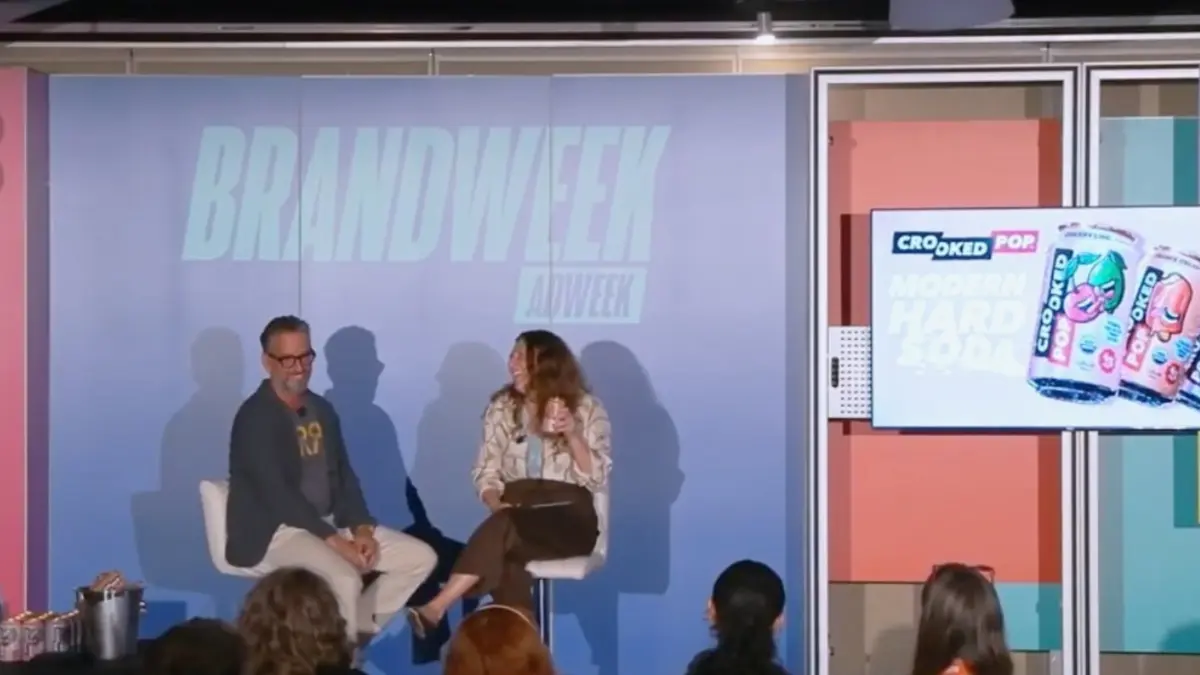
During a high-profile Brandweek session hosted by ADWEEK Executive Editor Alison Weissbrot, Weiss detailed the conception of what he believes could blossom into an entirely new beverage category. Rather than merely iterating on existing hard seltzer technology, Weiss completely re-engineered the brewing process. The result is "osava"—a proprietary, ultra-clean alcohol base brewed from ancient grains and roots including quinoa, amaranth, millet, and cassava. By avoiding distillation and sugar-heavy fermentation, Weiss has bypassed traditional excise tax structures while delivering a guilt-free buzz.
This in-depth report explores the genesis of Crooked Pop, the socio-demographic shifts powering Gen Z’s complex relationship with alcohol, the radical biochemical innovations behind osava, and Weiss’s strategic roadmap for scaling an insurgent brand through high-impact partnerships and sports stadium penetration.
Detailed Chronology: From Antioxidant Waters to Ancient Grain Fermentations
To understand the strategic brilliance behind Crooked Pop, one must trace the entrepreneurial trajectory of Ben Weiss. His blueprint for market disruption was forged decades ago, long before wellness beverages became a dominant supermarket category.
The Bai Blueprint: Finding Value in the Unconventional
In the early 2000s, Weiss identified a glaring blind spot in the beverage industry: coffee fruit—the nutrient-dense outer casing of the coffee bean—was routinely discarded as agricultural waste during the coffee-manufacturing process. Recognizing that this discarded byproduct was packed with antioxidants, Weiss harnessed it to create Bai, an antioxidant-infused flavored water that challenged the dominance of sugary legacy beverages.
Weiss’s genius with Bai was not merely conceptual; it was educational yet restrained. He understood that consumers did not want to read a biochemistry textbook on the back of a bottle. Instead, they wanted a refreshing, clean drink that aligned with their emerging health-conscious values. The market responded overwhelmingly, culminating in Bai’s acquisition by Dr Pepper Snapple Group in 2017 for $1.7 billion.
The Post-Bai Epiphany and the Gen Z Dilemma
Following his exit from Bai, Weiss spent years observing the beverage ecosystem from a distance. He noticed a profound evolution in consumer habits, particularly among the youngest tier of legal drinking-age consumers. Gen Z was drinking less overall, gravitating toward functional beverages like Poppi and Olipop, and developing an overarching aversion to high-sugar, artificial diets.
When these consumers ventured into the alcohol aisle, however, they were greeted by a time capsule of the 1990s and 2010s: malt beverages laden with chemical additives, sticky-sweet RTD cocktails, and hard seltzers built on cheap, fermented cane sugar or corn syrup.
"Right now, that consumer who grew up drinking Poppi does not have a place to go in alcohol," Weiss remarked during his Brandweek conversation with Alison Weissbrot. "As a matter of fact, they are becoming somewhat sober-curious."
The Birth of Crooked Pop and Osava
Sensing a monumental white space, Weiss set out to design an alcoholic beverage that mirrored the ingredient integrity of functional sodas. However, creating a zero-sugar, gluten-free, organic alcohol that tasted exceptional presented a formidable chemical hurdle.
Traditional hard seltzers typically achieve their alcohol content by fermenting cane sugar or malted corn/barley, which requires extensive flavoring agents to mask the harsh chemical aftertaste. Premium RTDs use distilled spirits, but distillation triggers steep excise taxes and pushes retail prices sky-high.
Weiss rejected both paths. Instead, his team pioneered a novel brewing method using ancient, nutrient-dense crops: quinoa, amaranth, millet, and cassava. Through careful fermentation, these ingredients yield osava—a remarkably smooth, ultra-clean alcohol base that exists entirely as a ferment rather than a distilled spirit.
"For me, to develop a super-clean alcohol that lives as a ferment, and not as a spirit, was very important," Weiss explained. "I felt that was the white space that we needed to innovate into, and that’s where we live today."
Supporting Context & Metrics: Navigating the Sober-Curious Economy
The launch of Crooked Pop arrives at a critical juncture in consumer packaged goods (CPG) history. The convergence of post-pandemic wellness trends, shifting generational psychographics, and regulatory pressures has created a turbulent yet fertile environment for alcohol innovators.
The Rise of the Sober-Curious Consumer
Market research underscores a profound structural decline in alcohol consumption among Millennials and, more acutely, Generation Z. According to various generational studies, Gen Z drinks approximately 20% less per capita than Millennials did at the same age. This is not necessarily a prohibitionist movement; rather, it is a mindful, measured approach to consumption often framed as "moderation management" or being "sober-curious."
Consumers in this demographic view alcohol through the lens of wellness optimization. They care deeply about sleep hygiene, mental clarity, and physical fitness—three pillars notoriously undermined by heavy drinking and high-sugar mixers. When Gen Z does choose to drink, they demand functional transparency. They scrutinize labels for terms like USDA Organic, Zero Sugar, Gluten-Free, and Clean Ingredients.
The Limitations of Legacy Alternatives
Before Crooked Pop, the market attempted to address this demand via two primary routes:
- Hard Seltzers: While generally lower in calories, the vast majority of mainstream hard seltzers rely on fermented cane sugar or malt bases. To achieve drinkability, manufacturers rely heavily on citric acid, artificial carbonation, and chemical flavor enhancers that frequently trigger gastrointestinal discomfort or headaches.
- Ready-to-Drink (RTD) Cocktails: Driven by spirits like tequila, vodka, and whiskey, the RTD boom has captured significant market share. However, these products are structurally expensive due to high excise taxes on distilled spirits, frequently pricing out younger, budget-conscious consumers. Furthermore, many RTDs mask their alcohol burn with massive quantities of agave nectar, cane sugar, or fruit juice concentrates, defeating the purpose of a wellness-oriented drink.
Osava vs. Traditional Alcohol Bases: A Comparative Breakdown
| Metric / Feature | Traditional Hard Seltzer | Premium RTD Cocktails | Crooked Pop (Osava Base) |
|---|---|---|---|
| Primary Alcohol Source | Fermented Cane Sugar / Malt | Distilled Spirits (Vodka, Tequila) | Quinoa, Amaranth, Millet, Cassava (Osava) |
| Sugar Content | Varies (often low, but artificially sweetened) | High to Moderate (often sweetened with juices/syrups) | Zero Sugar |
| Dietary Profile | Usually Gluten-Free (via processing) | Gluten-Free (mostly) | USDA Organic & Gluten-Free |
| Tax Class | Fermented Malt Beverage / Beer Tax | High Spirits Excise Tax | Optimized Ferment Tax Structure |
| Ingredient Transparency | Low (proprietary "flavors") | Moderate | High (whole-food ancient grains & roots) |
By utilizing osava, Crooked Pop sidesteps the chemical harshness of malt bases while avoiding the punitive taxation of distilled spirits. This allows the brand to price competitively while maintaining an elite, organic ingredient profile.
Official Statements & Strategic Insights
Ben Weiss’s masterclass at Brandweek offered a rare window into the mind of a serial CPG disruptor. In conversation with Alison Weissbrot, Weiss articulated several foundational philosophies that govern how Crooked Pop is being brought to market.
The Danger of Over-Explaining Innovation
One of the most profound lessons Weiss carried over from his tenure at Bai was the art of consumer communication. When introducing an entirely new concept—such as coffee fruit water or an ancient-grain-derived osava alcohol—founders frequently fall into the trap of over-explaining the science on the front of the packaging.
Weiss warns that this approach is counterproductive.
"I learned from my experience with Bai that forcing a complicated explanation on the consumer right away tends to be a turn-off, even if it is something new and interesting," Weiss noted.
Instead of cluttering the label with dense biochemical descriptions of how quinoa and cassava ferment into osava, Weiss advocates for a "pull" strategy. The packaging leads with the consumer benefits they actively desire: zero sugar, organic certification, and clean refreshment. As consumers fall in love with the taste and lifestyle associated with Crooked Pop, they organically lean into the brand story, driving grassroots word-of-mouth marketing.
Grassroots Discovery and Nontraditional Distribution
Rather than relying solely on traditional liquor store shelves—where new brands are often swallowed up by massive beverage conglomerates—Weiss has prioritized high-visibility, high-foot-traffic environments where young consumers congregate.
By targeting grocery stores, convenience chains, and sports stadiums, Crooked Pop is positioning itself directly in the paths of active, social consumers.
Future Outlook: Scaling the Insurgent Brand
As Crooked Pop navigates its nascent phase, its growth strategy relies heavily on cultural integration and high-profile experiential marketing.
Leveraging Athletic Partnerships
To cement its status as the modern, wellness-aligned alternative to heavy alcohol, Crooked Pop has forged strategic partnerships with elite professional athletes, including NBA star Trae Young and World Series champion Ryan Howard. These partnerships are not merely endorsement deals; they serve as cultural validation points that connect the brand directly to sports, fitness, and high-performance culture.
The Stadium Playbook
Perhaps the most telling indicator of Crooked Pop’s commercial viability is its success in live sports venues. Weiss shared a striking metric from a recent activation at a Tampa Bay Buccaneers game, where the brand moved between 3,000 and 4,000 cans in a single event.
"It’s proving to be a game-changer for us," Weiss said, emphasizing that stadium environments offer unparalleled sampling velocity. For a young brand breaking into a fiercely competitive alcohol market, putting crisp, zero-sugar osava directly into the hands of thousands of sports fans simultaneously generates immediate trial and long-term brand recall.
Conclusion: A New Era for the Beverage Industry
Ben Weiss has proven once before that he can read the cultural tea leaves and build a billion-dollar brand out of an overlooked ingredient. With Crooked Pop, he is tackling an even larger Goliath: the entrenched, trillion-dollar global alcohol industry.
By capturing the hearts and palates of the sober-curious, wellness-driven Gen Z consumer through the proprietary magic of osava, Crooked Pop is not just filling a gap in the cooler—it is successfully establishing the blueprint for the next generation of adult beverages. As distribution expands and stadium taps continue to flow, the legacy beverage giants would do well to take notice. The alcohol aisle is finally growing up.