

Executive Overview
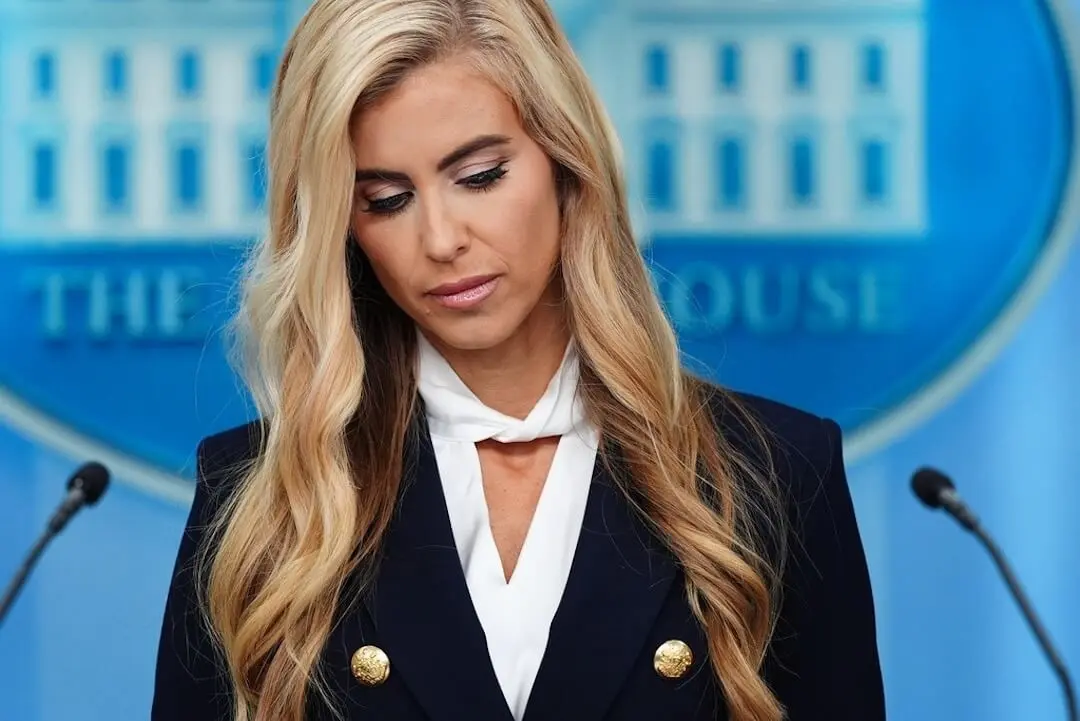
The landscape of American politics and media experienced a violent collision this week, highlighted by a disastrous inaugural press briefing by newly appointed White House Press Secretary Katie Zacharia. Clocking in at a mere 14 minutes and featuring questions from only three conservative outlets, Zacharia’s debut has triggered immediate speculation regarding the longevity of her tenure. Pundits, administration insiders, and former press secretaries alike have lined up to condemn the performance, drawing comparisons to an Saturday Night Live sketch and warning that she risks breaking Anthony Scaramucci’s historic short-term record.
Compounding the administration’s public relations crisis are mounting questions concerning Zacharia’s professional credentials—specifically, verifiable evidence regarding her claims of being a licensed attorney. Amid this chaos, the administration also announced the resignation of U.S. Ambassador to Greece Kimberly Guilfoyle, following investigative reports that she solicited $100,000 from a major donor to resolve personal credit card debts prior to her confirmation.
Concurrently, the American media apparatus is weathering its own profound internal tempests. At CBS News, executive shifts spearheaded by editor-in-chief Bari Weiss have sparked widespread newsroom unrest, punctuated by a tense virtual all-hands meeting led by Foreign Editor Shayndi Raice. This report provides an exhaustive breakdown of these intersecting developments, tracing the timeline, analyzing official statements, evaluating institutional repercussions, and mapping out the future outlook for the administration and the media industry at large.
Detailed Chronology
The Zacharia Briefing Debacle
The sequence of events leading to Tuesday’s disastrous press briefing began late last week when President Donald Trump bypassed traditional vetting channels and chief of staff Susie Wiles to appoint Katie Zacharia as the 37th White House Press Secretary. Informed of the decision merely hours before its public announcement, senior White House staff members were left scrambling to integrate a novice spokeswoman who lacked traditional media training and preparation for high-stakes governmental communication.
- Friday: President Trump announces Katie Zacharia as the new White House Press Secretary via social media, hailing her background as a conservative media commentator and referring to her as an attorney.
- Monday: Behind-the-scenes rumblings indicate frustration among presidential advisers who note that Zacharia was thrust into the spotlight without the benefit of rigorous "murder board" preparation sessions.
- Tuesday, Morning: Zacharia takes to the White House briefing room podium for her inaugural session. Visibly nervous, she reads strictly from prepared notes for 14 minutes, takes questions exclusively from Breitbart, Fox News, and the Daily Mail, and announces the departure of U.S. Ambassador to Greece Kimberly Guilfoyle.
- Tuesday, Afternoon: Media criticism mounts exponentially. Networks broadcast scathing reviews from former press secretaries, while independent journalists unearth contradictions regarding Zacharia’s bar admissions and legal credentials. Later, Zacharia and Trump field combative shouted questions from reporters outside the White House prior to the president’s departure for Alaska.
The Guilfoyle Resignation Timeline
Simultaneously, the diplomatic corps faced an abrupt disruption with the exit of Kimberly Guilfoyle from her post in Athens.
- Pre-Confirmation (2025): Reports reveal that Guilfoyle allegedly solicited a $100,000 payment to her American Express account from Trump donor and former congressional candidate Eric Deters, offering to lobby the DOJ and IRS on his behalf in exchange for financial salvation.
- Last Week: The Wall Street Journal publishes an investigative exposé detailing the text messages and financial solicitations, prompting immediate bipartisan calls for her termination.
- Tuesday: Press Secretary Zacharia formally announces Guilfoyle’s resignation during her brief podium appearance. President Trump subsequently distances himself from the scandal, noting that while he thought she was doing a good job, he "didn’t like what I read."
CBS Newsroom Turmoil
As political reporters tracked executive chaos in Washington, media analysts uncovered an escalating editorial civil war at CBS News.
- Sunday: 60 Minutes airs a segment reporting on extremist Israeli settler violence in the West Bank, a piece subjected to intense, hands-on edits by recently appointed Editor-in-Chief Bari Weiss. Veteran correspondent Lesley Stahl privately discusses the possibility of quitting the network in protest of the editorial interference.
- Monday: Status reporter Oliver Darcy breaks the news regarding Stahl’s frustrations, setting off shockwaves across the broadcast journalism landscape.
- Tuesday: CBS Foreign Editor Shayndi Raice convenes a virtual staff meeting to address the leaked reports. The meeting devolves into an uninterrupted, 15-minute tirade wherein Raice defends her editorial decisions, clashes with foreign correspondent Holly Williams over Palestinian death toll reporting, and warns staffers that "insubordination" constitutes legal grounds for termination.
Supporting Context & Metrics
The convergence of these events underscores structural vulnerabilities within both political communication strategies and traditional broadcast journalism enterprises.
| Event / Controversy | Key Figures Involved | Primary Allegation / Issue | Institutional Impact |
|---|---|---|---|
| White House Briefing | Katie Zacharia, Donald Trump, Susie Wiles | 14-minute duration, 3 questions, lack of preparation and vetting | Immediate speculation over job security; comparisons to Anthony Scaramucci |
| Credential Scrutiny | Katie Zacharia, Judd Legum, Sarah Rumpf | Claims of being an attorney without state bar exam admissions or records | Questions regarding background checks and truthfulness in public statements |
| Guilfoyle Departure | Kimberly Guilfoyle, Eric Deters | Solicitation of $100,000 to clear personal credit card debt in exchange for political favors | Abrupt termination of a high-profile diplomatic posting |
| CBS News Uprising | Lesley Stahl, Bari Weiss, Shayndi Raice, Holly Williams | Editorial interference, suppression of context in foreign reporting, staff intimidation | Public fracture of newsroom trust; threats of termination and high-level resignations |
The Legal Credentials Controversy
Beyond her performance at the podium, Zacharia faces severe scrutiny regarding her professional background. Independent journalist Judd Legum of Popular Information and Mediaite’s Sarah Rumpf analyzed public databases across all 50 states and Washington, D.C., finding zero evidence that Zacharia ever passed a bar exam or maintained active admission to practice law. Despite being introduced on Fox News on at least 18 occasions as a lawyer and being labeled an attorney by President Trump, her LinkedIn profile lists her experience as "General Counsel" for a California nonprofit and an associate at a Beijing law firm—neither of which validates domestic bar eligibility. When confronted by reporters, Zacharia offered vague assertions regarding work in China, a jurisdiction notoriously restrictive regarding foreign legal practitioners.
Official Statements
The administration and corporate entities involved moved quickly to control the narrative, issuing carefully crafted statements that contrasted sharply with reality.
White House Spin
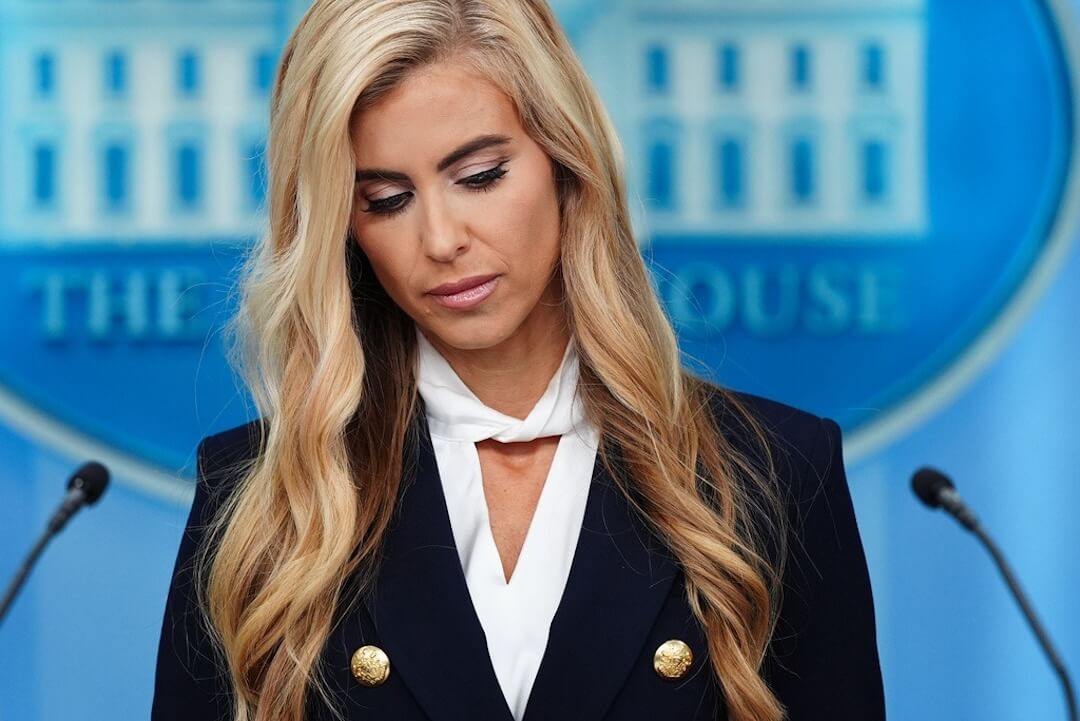
Recognizing the public relations disaster of Zacharia’s debut, the White House digital communications team circulated an internal email attempting to recast the event as a triumph. The memo described the performance as "powerful" and "commanding":
"Today, Katie Zacharia delivered a commanding inaugural press briefing as the 37th White House Press Secretary. The briefing, which generated wall-to-wall coverage, served as a strong introduction to her tenure and highlighted the Trump Administration’s record of delivering historic successes for the American people."
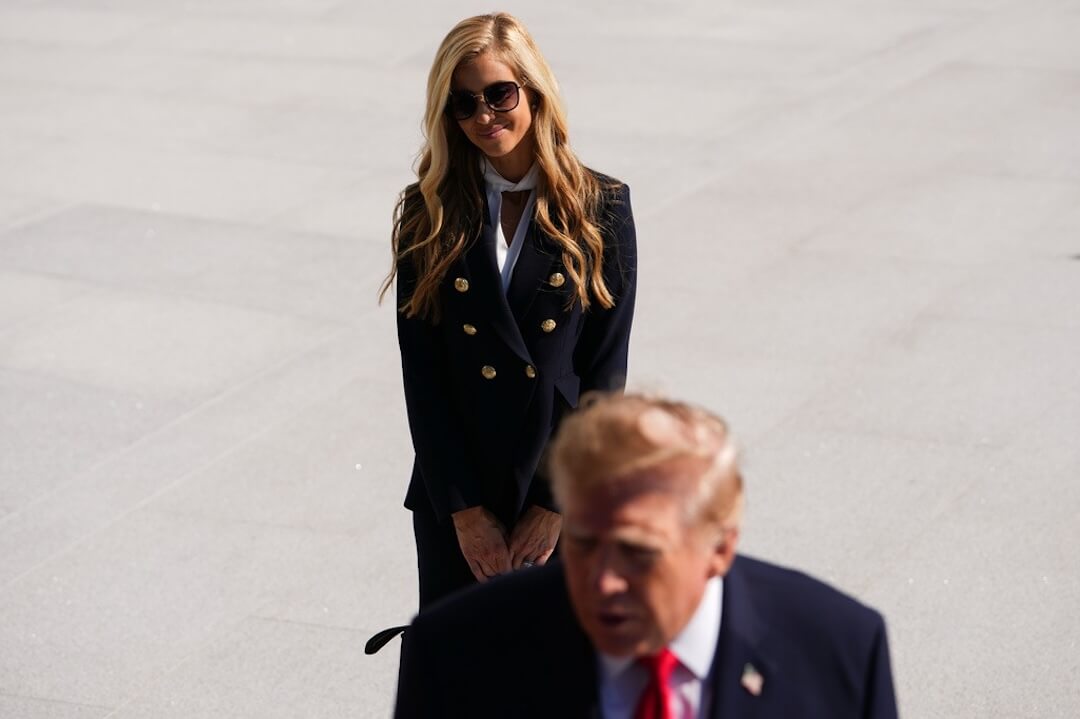
President Trump himself offered lukewarm backing while standing alongside Zacharia prior to his departure:
"I thought she did very good. I thought she was very good."
Regarding Kimberly Guilfoyle’s departure, Trump downplayed personal ties, stating:
"She wasn’t a member of my family. She, I guess, dated my son a long time ago… She was doing a good job, but I didn’t like what I read."
Media Counter-Perspectives
Former administration spokespersons did not hold back their assessments. Jen Psaki, former Press Secretary to President Joe Biden, remarked via social media:
"Well that briefing was basically an SNL skit — except it wasn’t."
Joe Lockhart, who served under President Bill Clinton, lambasted the hire on CNN:
"She’s been kind of a far-right bomb thrower on behalf of Trump and the MAGA world, and that’s a little odd to cite that as, you know, your resume for being able to get up there and stand at the podium and speak for the country. She doesn’t have the qualifications to do the job I would define it and the way traditionally it’s been defined."
CBS Leadership Defense
In the wake of staff protests over editorial interventions, Foreign Editor Shayndi Raice defended her management style and editorial oversight during the turbulent staff meeting:
"This idea that somebody […] comes up with a story idea, writes a script, and nobody above them is allowed to have any comment on it — that’s not journalism. I’m sorry, journalism is a process where you are challenged, you are pushed to dig deeper, to do more, to try harder — not just to be fair, but to be smarter."
Meanwhile, a CBS News spokesperson formally dismissed reports of veteran correspondent Lesley Stahl threatening to resign as:
"A ludicrous, twisted narrative."
Future Outlook
The compounding crises facing both the Trump administration and the upper echelons of broadcast media portend a volatile period ahead.
For Katie Zacharia, the path forward is extraordinarily narrow. Operating under a chief of staff who was reportedly sidelined during her hiring process, and having alienated both the White House press corps and seasoned political strategists, Zacharia must rapidly demonstrate an ability to master policy facts and field aggressive questioning. Failure to adapt will likely lead to an early dismissal, with insiders openly betting on whether she can outlast Anthony Scaramucci’s notoriously brief 10-day tenure. Furthermore, persistent questions regarding her legal credentials threaten to derail routine administrative messaging, turning every press briefing into an inquiry into her background.
In the diplomatic sphere, Guilfoyle’s sudden exit leaves a high-profile vacancy in Athens and signals a zero-tolerance posture toward personal financial scandals that threaten to bleed into legislative and executive lobbying perceptions—even for figures historically linked to the president’s inner circle.
In the media sector, the friction at CBS News signals an existential struggle over editorial direction, ideological neutrality, and institutional legacy. With veteran anchors like Lesley Stahl reportedly contemplating their futures, and executive leadership enforcing strict compliance through uncompromising internal directives, network newsrooms are bracing for a prolonged culture war. The outcome of these internal battles will fundamentally redefine how both government information is disseminated to the public and how major journalistic institutions hold power to account in an increasingly polarized media ecosystem.