

Executive Overview
In a strategic pivot that signals a fundamental transformation in how non-profit advocacy organizations engage with the public, Global Citizen—the renowned anti-poverty organization globally celebrated for its star-studded annual festivals in New York’s Central Park—is aggressively expanding its reach into the digital creator economy. For over a decade, the organization relied heavily on traditional A-list musicians, Hollywood actors, and high-profile public figures to draw crowds, generate mainstream media headlines, and pressure world leaders into making financial and policy commitments to eradicate extreme poverty. However, as the media landscape fractures and traditional celebrity cultural influence experiences a measurable decline in converting passive fans into active global citizens, the organization is pivoting toward digital-first influencers.
The organization has formally named Influential—the prominent influencer marketing agency recently acquired by advertising holding giant Publicis Groupe—as its official global creator partner. Announced on a Friday that marks a critical turning point for both entities, this alliance bridges the gap between high-impact global philanthropy and data-driven digital content creation. Founded in 2013 and subsequently absorbed into Publicis in 2024, Influential boasts an opt-in creator network that has expanded exponentially, surging from roughly 5 million content creators at the time of the acquisition to an astonishing 18 million today.
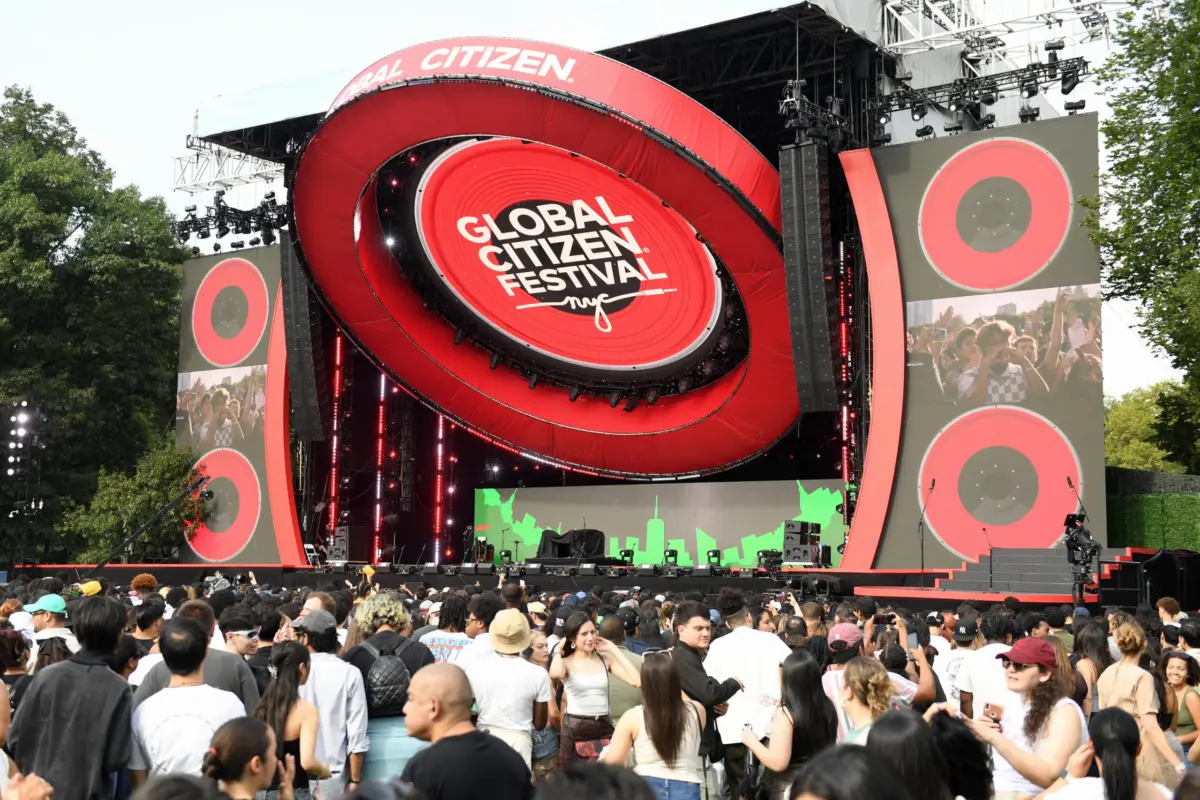
The premier activation of this landmark partnership kicks off at the upcoming Global Citizen Festival, where a curated cohort of approximately 20 digital creators—including prominent lifestyle and cultural influencers Ling and Lam—will broadcast live from the festival grounds. According to Chris Detert, Influential’s Chief Communications Officer, this initiative is designed to do more than simply generate digital impressions; it aims to authentically mobilize younger, digitally native demographics who consume media through decentralized channels rather than traditional broadcast networks.
This comprehensive report explores the mechanics of this partnership, the underlying cultural and economic shifts driving traditional philanthropy toward the creator economy, the structural evolution of Influential under Publicis, and the long-term implications for the future of global activism.
Detailed Chronology: From Central Park Stages to the Infinite Feed
To understand the magnitude of Global Citizen’s current strategic pivot, it is essential to trace the historical trajectory of the organization and the shifting media paradigms that necessitated this evolution.
Phase 1: The Traditional Celebrity Era (2008–2020)
Global Citizen, operating under the aegis of the Global Poverty Project founded by Hugh Evans, Simon Moss, and Wei Soo, built its brand equity on monumental live events. The formula was straightforward yet powerful: combine major musical headliners—such as Beyoncé, Coldplay, Pearl Jam, and Ed Sheeran—with compelling calls to action. Attendees earned free tickets by taking civic actions, such as signing petitions, emailing politicians, or participating in local community service.
During this era, television broadcasts, radio syndication, and print media partnerships were the primary engines of reach. A single performance by a tier-one pop star could guarantee days of cycle-dominating media coverage. Celebrities acted as irreplaceable gatekeepers of cultural attention, commanding the stage and translating complex geopolitical agendas into digestible soundbites for millions of viewers.
Phase 2: The Fragmentation of Attention and the Pandemic Disruption (2020–2023)
As digital media consumption accelerated and social platforms shifted away from chronological feeds toward algorithmic, interest-based recommendation engines (exemplified by the meteoric rise of TikTok), the efficacy of traditional celebrity endorsements began to wane. Audiences—particularly Gen Z and younger Millennials—grew increasingly skeptical of traditional celebrity activism, often diagnosing it as disconnected, performative, or financially detached from everyday economic struggles.
Concurrently, the COVID-19 pandemic forced live events to halt temporarily, pushing organizations to experiment with virtual broadcasts like One World: Together at Home. While these digital-hybrid events achieved massive aggregate viewership numbers, they highlighted a growing disconnect: passive viewers tuning in for a concert performance rarely converted into sustained, active participants in long-term advocacy campaigns. The conversion funnel from "watching a livestream" to "taking structural civic action" was leaking.
Phase 3: The Publicis Acquisition and the Rise of Influential (2024)
In parallel with Global Citizen’s search for deeper digital integration, the influencer marketing ecosystem underwent significant institutional maturation. Influential, an early pioneer in leveraging artificial intelligence and demographic data to match brands with hyper-targeted content creators, became an acquisition target for industry giant Publicis Groupe in 2024.
The acquisition provided Influential with unprecedented enterprise resources, global operational infrastructure, and direct pipelines to the world’s largest corporate advertisers. Under Publicis, Influential aggressively scaled its opt-in creator network, expanding its talent pool from 5 million to approximately 18 million creators spanning diverse niches, follower counts, and geographic regions.
Phase 4: The Strategic Convergence (Late 2024 and Beyond)
Recognizing that their traditional festival headliners no longer possessed the guaranteed, undivided attention of younger demographics, Global Citizen leadership initiated discussions with Influential. The objective was clear: replace—or at least heavily supplement—the aging pipeline of Hollywood celebrity advocacy with a decentralized army of micro-, mid-, and macro-influencers whose audiences view them as trusted peers rather than distant idols.
The formal announcement of the partnership on Friday marked the codification of this strategy, culminating in the deployment of creators at the Global Citizen Festival in Central Park. Rather than relying solely on a 30-second broadcast spot or a headline artist mentioning a hashtag, the organization is now embedding creators directly into the physical and digital infrastructure of its events, ensuring native, authentic storytelling across platforms like TikTok, Instagram Reels, and YouTube Shorts.
Supporting Context & Metrics: The Economics of Influence vs. Celebrity
The pivot from traditional celebrity to digital creators is not merely a stylistic preference; it is grounded in hard economic data, shifting media consumption habits, and the psychology of modern digital trust.
The Erosion of Traditional Celebrity Pull
Industry analysts have long noted a fatigue surrounding traditional Hollywood activism. While superstars still command massive audiences, their ability to drive sustained behavioral change has plateaued. According to recent media consumption studies:
- Trust Deficit: Younger demographics (ages 14–29) report significantly higher levels of trust in independent digital creators compared to traditional film, television, or music celebrities. Creators are perceived as more accessible, transparent, and relatable.
- Algorithmic Affinity: Social platforms favor native content produced by creators who understand platform-specific humor, pacing, and community norms. A celebrity reading a teleprompter script often performs poorly compared to a creator seamlessly integrating a social cause into their regular content cadence.
- Engagement Quality: Traditional broadcast metrics measure passive viewership (impressions and eyeballs). Creator-led campaigns measure active engagement—comments, shares, direct link clicks, and verifiable micro-actions (such as signing digital petitions or downloading civic engagement apps).
Scaling Through Data: The Anatomy of Influential’s Network
The sheer scale of Influential’s network provides Global Citizen with unprecedented operational capabilities. Managing thousands of individual partnerships manually would be cost-prohibitive and logistically impossible for a non-profit organization. However, Influential’s proprietary technology platform offers a sophisticated solution:
| Metric / Feature | Pre-Publicis Era (Historical Baseline) | Current State (Post-Publicis & Global Citizen Partnership) |
|---|---|---|
| Network Size | ~5 million opt-in creators | ~18 million opt-in creators globally |
| Targeting Precision | Broad demographic buckets & manual vetting | AI-driven audience overlap analysis & brand safety filters |
| Campaign Deployment | Fragmented, agency-led manual outreach | Enterprise-grade, automated programmatic activation |
| Content Format | Static posts & basic sponsored integrations | Multi-platform, native, short- and long-form storytelling |
| Performance Tracking | Basic impression/reach estimates | Real-time conversion tracking, sentiment analysis, and civic action verification |
By plugging into this infrastructure, Global Citizen can bypass the traditional gatekeepers of PR and talent management agencies, deploying micro-campaigns tailored to specific geographic regions, demographic subsets, and issue verticals (such as climate change, food security, and gender equality).
Official Statements and Industry Perspectives
The partnership has generated widespread commentary across both the marketing and non-profit sectors, highlighting the profound implications of merging commercial influencer technology with global humanitarian advocacy.
Perspectives from Leadership
While specific executive quotes from the initial announcement emphasize the operational synergy between the two entities, industry insiders view the collaboration as a blueprint for the future of cause-marketing.
"We are witnessing the democratization of advocacy," notes a senior media strategist tracking the Publicis-Influential ecosystem. "For decades, social impact organizations relied on the trickle-down effect of celebrity influence. If a movie star cared about extreme poverty, their fans might pay attention for a weekend. Today, influence is horizontal, not vertical. Creators live within communities of interest, and their audiences expect them to take stands on social issues. By partnering with Influential, Global Citizen is tapping directly into those pre-existing communities of trust."
Chris Detert, Chief Communications Officer at Influential, emphasized the practical execution of the partnership during the rollout:
"The first major activation centers on this year’s Global Citizen Festival on Saturday, where roughly 20 creators, including Ling and Lam, will post from the grounds. This isn’t about standing on a stage and waving to a crowd of tens of thousands; it’s about taking millions of digital viewers behind the scenes, explaining the mission in real-time, and translating a live music event into an interactive, digital movement."
The Creator Perspective
For creators like Ling and Lam, participating in such activations represents a shift in the influencer industry itself. Brands and non-profits increasingly recognize that creators are media companies in their own right, possessing sophisticated production capabilities and deep audience insights. By embedding themselves within high-profile global events, creators elevate their own content while lending their authentic voices to critical global issues, satisfying their audiences’ growing demand for purposeful, impact-driven content.
Future Outlook: The Next Decade of Digital Activism
As Global Citizen and Influential operationalize their partnership, the broader non-profit and public relations sectors are watching closely. The success of this initiative could permanently alter how global causes secure funding, drive policy change, and mobilize citizens in the twenty-first century.
1. The Death of the Passive Campaign
The traditional model of putting on a massive concert, running televised public service announcements, and hoping viewers donate money or call their representatives is rapidly fading. Future advocacy campaigns will rely on interactive, gamified, and creator-led funnels. Users will not just watch a livestream; they will participate in live-streamed challenges, unlock charitable donations through digital micro-actions, and co-create campaign narratives alongside their favorite digital personalities.
2. Hyper-Localized Global Advocacy
With an 18-million-strong creator network at its fingertips, Global Citizen is no longer constrained by the geographic limitations of hosting physical mega-festivals in major metropolitan hubs like New York, Paris, or Johannesburg. Future activations can be decentralized. Imagine simultaneous, creator-led micro-events occurring in dozens of countries worldwide, all synchronized via programmatic influencer campaigns that target specific legislative bodies or corporate boardrooms with laser-focused public pressure.
3. The Integration of AI and Ethical Verification
As artificial intelligence continues to reshape digital media, the challenges of authenticity and brand safety become paramount. Influential’s technological infrastructure will play a crucial role in vetting creators not just for their reach, but for their historical credibility, audience sentiment, and alignment with Global Citizen’s core values. Ensuring that digital creators advocating for anti-poverty measures are authentically committed—and free from controversies that could undermine a global campaign—will be a defining operational challenge in the years ahead.
4. Redefining Corporate Responsibility and Publicis’s Role
The involvement of Publicis Groupe through Influential underscores a broader macroeconomic trend: major holding companies are increasingly seeking ways to fuse commercial advertising capabilities with social impact initiatives. For brands looking to burnish their Environmental, Social, and Governance (ESG) credentials, partnering with a creator-driven Global Citizen campaign offers a turnkey solution that delivers measurable cultural impact alongside traditional marketing ROI.
Conclusion
Global Citizen’s decision to name Influential its global creator partner marks the end of an era and the beginning of another. While the iconic Central Park festival will undoubtedly continue to draw headlines with its legendary musical performances, the beating heart of the organization’s outreach has officially migrated from the physical stage to the infinite digital feed.
By harnessing Influential’s network of 18 million creators, Global Citizen is adapting to a fractured media ecosystem where trust is distributed, influence is horizontal, and civic action must be frictionless and engaging. As creators like Ling and Lam broadcast live from the festival grounds, they are not merely documenting an event—they are pioneering a new architecture for global activism, proving that the future of changing the world lies in the hands of those who command the digital conversation.