

Executive Overview
The intersection of pop culture, live television, and brand marketing has entered a dynamic new era. When the 2026 MTV Video Music Awards (VMAs) air on Sunday, September 27, television viewers and social media scrollers alike will witness more than just chart-topping musical performances and headline-grabbing celebrity appearances. While music icons such as Taylor Swift and Madonna are guaranteed to dominate the global digital conversation, the most talked-about moments of the evening may very well belong to corporate advertisers.
Leading the charge is Dunkin’, which has engineered a masterclass in cultural hijacking and cross-platform campaign integration. Hosted by entertainment legend Snoop Dogg, the 2026 VMAs have shifted away from their traditional late-summer window to a prime late-fall slot. This calendar adjustment has provided Dunkin’ with the ultimate strategic opportunity to place its beloved seasonal lineup—most notably its iconic Pumpkin Spice offerings—front and center on one of the year’s biggest pop-culture stages.
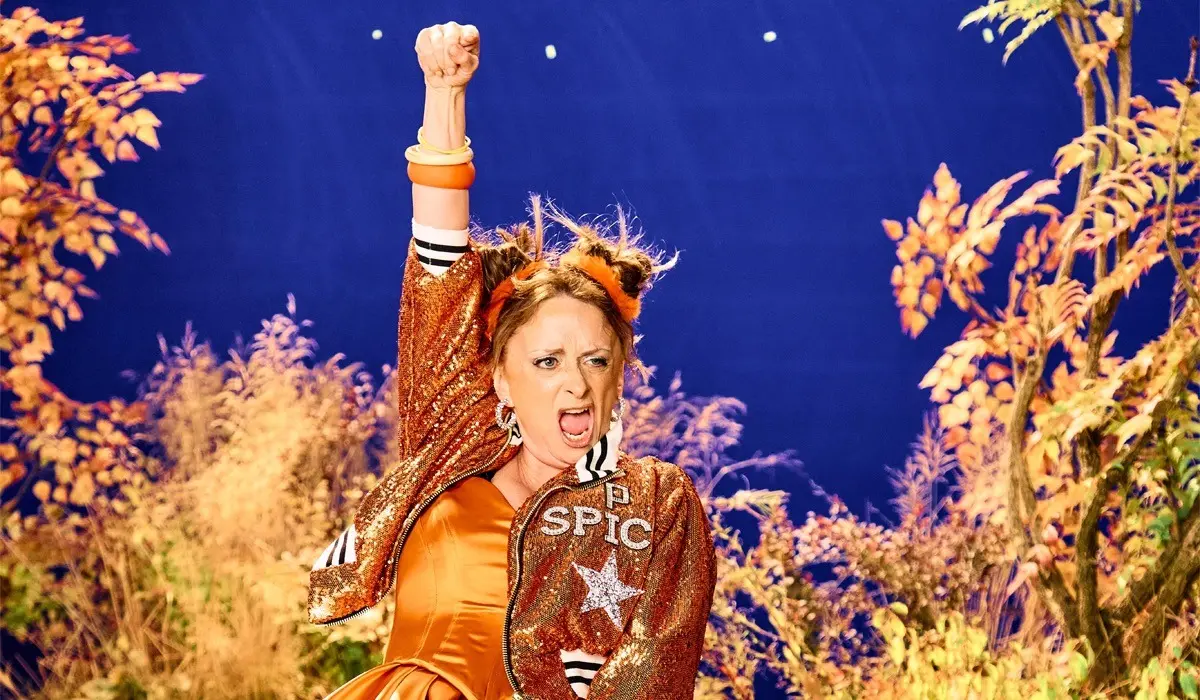
Rather than relying on standard, easily skippable 30-second commercial spots, Dunkin’ has partnered with Paramount Media Labs to execute a bespoke, two-part comedic sketch. This custom integration brings the brand’s ongoing autumn marketing narrative directly into the fabric of the broadcast, highlighted by the return of comedian Rachel Dratch as the fictional, long-lost "sixth Spice Girl"—aptly named Pumpkin Spice.
This comprehensive report examines the strategic partnership between Dunkin’ and Paramount, the evolution of live-event advertising, the mechanics of modern cultural integration, and what this high-stakes collaboration signals for the future of entertainment marketing.
Detailed Chronology: From Concept to the VMA Stage
The Strategic Shift of the 2026 VMAs
For decades, the MTV Video Music Awards served as the definitive capstone to the summer pop season, typically airing in late August. However, the decision by network executives to push the 2026 ceremony to Sunday, September 27, fundamentally altered the psychological and commercial landscape of the broadcast. Moving the event deeper into the autumn calendar naturally aligned the broadcast with a different set of consumer behaviors and retail trends.
Chief among these seasonal shifts is the cultural obsession with autumn flavors, aesthetics, and nostalgia. Recognizing this seasonal alignment, Paramount Media Labs—the innovative advertising arm of Paramount—began ideating ways to bridge the gap between live music culture and fall lifestyle brands.
Infiltrating the Broadcast: The Genesis of the Partnership
According to Matt Newcomb, Senior Vice President of Marketing Activation for Paramount Media Labs, the collaboration with Dunkin’ was born out of a shared desire to transcend traditional ad breaks.
"What screams more fall than Pumpkin Spice? That was not even a territory we were talking to Dunkin’ about, and they brought their fall marketing campaign to us," Newcomb revealed, highlighting the proactive nature of the brand’s creative agency teams.
Instead of waiting for the network to pitch standard inventory packages, Dunkin’ approached Paramount with a fully realized narrative concept designed to extend its existing fall ad campaign directly into the ecosystem of the VMAs. The core of this strategy was simple yet audacious: hijack the cultural capital of a major live music awards show to champion America’s favorite autumn flavor.
The Two-Part Skit Architecture
The centerpiece of Dunkin’s VMA strategy is a specially produced, two-part comedy sketch integrated seamlessly into the live broadcast. While details of the live execution remain closely guarded to maximize viewer surprise, the narrative builds upon Dunkin’s broader fall creative platform featuring comedian and Saturday Night Live alumna Rachel Dratch.
- Act I (Early Show Integration): The first installment of the sketch sets the premise during the initial hours of the broadcast. Utilizing host Snoop Dogg’s laid-back, comedic timing and a series of unexpected backstage interactions, the narrative introduces the concept of seasonal anomalies—specifically, the arrival of the "sixth Spice Girl."
- Act II (Prime-Time Payoff): The second half of the sketch delivers the narrative payoff during a high-visibility block of the show. Rachel Dratch reappears in full, satirical pop-star regalia, leaning entirely into the absurdity of being the forgotten member of a legendary girl group, rebranded exclusively around Dunkin’s autumn menu.
By breaking the ad narrative into sequential chapters, Dunkin’ and Paramount ensure that viewers remain tuned in across commercial breaks, effectively combating audience drop-off and ad-skipping behaviors.
Supporting Context & Metrics: The Economics of Live-Event Integration
The Psychology of Fall Flavor Marketing
The "Pumpkin Spice Economy" has evolved from a seasonal novelty into a multi-billion-dollar retail phenomenon. Consumer research consistently shows that anticipation for autumn-themed products begins as early as August, peaking precisely around late September and October.
By timing their major push for the night of September 27, Dunkin’ captures consumers at the exact moment their psychological craving for comfort, nostalgia, and seasonal identity is at its zenith. The VMAs provide a massive, demographically prized audience—skewing heavily toward Gen Z and Millennials—who are both the primary consumers of specialty coffee beverages and the most active participants in live social media commentary.
The Shift from Traditional Spots to Native Content
The advertising industry has undergone a seismic shift over the past decade. Traditional linear television advertising faces continuous headwinds from streaming services, ad-free tiers, and digital ad-blockers. Consequently, brands are forced to invest heavily in "native content" and integrated brand partnerships that cannot be easily bypassed by viewers.
- Engagement Multipliers: Studies by media research firms indicate that custom sketches and in-show integrations yield up to a 35% higher brand recall rate compared to standard 30-second spots.
- Social Media Amplification: Live-event integrations are specifically designed for the "second screen" experience. When a celebrity or comedian performs a branded sketch live on television, it instantly generates user-generated content, memes, and viral clips across TikTok, X (formerly Twitter), and Instagram.
- Earned Media Value: The PR value generated by pre-show press releases, live broadcast mentions, and post-event analysis often far exceeds the initial media buy cost.
The Paramount Media Labs Playbook
Paramount Media Labs has increasingly positioned itself as a pioneer in turning premium live properties—such as the VMAs, the Super Bowl, and major award shows—into collaborative canvases for brands. By offering advertisers direct access to talent, writers, and production teams, Paramount bridges the gap between commercial messaging and entertainment value.
The collaboration with Dunkin’ demonstrates how legacy media companies can retain high-paying brand partners by offering creative solutions that mimic the entertainment value of the programming itself.
Official Statements and Industry Insights
Perspectives from Paramount Media Labs
Matt Newcomb’s enthusiasm for the Dunkin’ partnership underscores a broader industry realization: brands that bring their own fully formed, culturally resonant ideas to media publishers are far more likely to secure premium real estate during major live events.
"What screams more fall than Pumpkin Spice? That was not even a territory we were talking to Dunkin’ about, and they brought their fall marketing campaign to us," noted Newcomb during discussions surrounding the upcoming broadcast.
This statement highlights a shift in agency-network dynamics. Publishers no longer merely sell ad slots; they co-create live marketing spectacles in partnership with forward-thinking brands.
The Creative Engine Behind the Campaign
Dunkin’s marketing leadership, alongside their creative agencies, recognized that surviving in today’s crowded media landscape requires audacity and humor. By enlisting Rachel Dratch—a beloved comedic figure known for her self-deprecating humor—Dunkin’ avoids the trap of taking corporate messaging too seriously.
Instead, the brand leans into self-awareness, acknowledging the cultural saturation of pumpkin spice while playfully subverting it. This self-effacing humor disarms consumers, transforming a commercial pitch into an entertaining piece of pop culture.
Future Outlook: What the Dunkin’-VMA Partnership Means for the Future of Advertising
The Death of the Standard Commercial Break?
As we look toward the remainder of the decade, the traditional 30-second television commercial is facing an existential crisis. While it will likely retain a baseline utility for mass-reach household goods, high-cost live events will increasingly demand higher-order creative solutions.
Brands that wish to capture the attention of younger, fragmented audiences must follow Dunkin’s lead: integrate directly into the narrative, partner with on-screen talent, and design campaigns that live simultaneously on the television screen and the smartphone feed.
The Evolution of Seasonal Marketing
Dunkin’s successful migration of its fall campaign from digital and out-of-home channels onto the VMA stage sets a new benchmark for seasonal marketing. We can anticipate future holiday and seasonal campaigns—from Valentine’s Day to the winter holidays—to increasingly rely on major live entertainment broadcasts as launchpads for narrative-driven brand activations.
Furthermore, the success of the Snoop Dogg-hosted, late-September VMAs proves that networks are willing to experiment with traditional scheduling to optimize alignment with cultural and retail moments. As award shows adapt their calendars to capture shifting consumer habits, advertisers will inevitably follow, crafting hyper-targeted campaigns tailored to specific seasonal mindsets.
Conclusion: A Blueprint for Modern Brand Storytelling
The 2026 MTV Video Music Awards will ultimately be judged by its musical performances, fashion highlights, and viral moments. However, behind the scenes, the event represents a watershed moment for modern advertising.
By refusing to settle for standard ad placements, Dunkin’ and Paramount Media Labs have demonstrated how strategic foresight, comedic writing, and cross-platform synergy can turn a simple cup of coffee into the star of the show. As marketers analyze the fallout of the September 27 broadcast, the lesson will be clear: to win the modern consumer’s attention, brands must stop interrupting the culture and start performing in it.